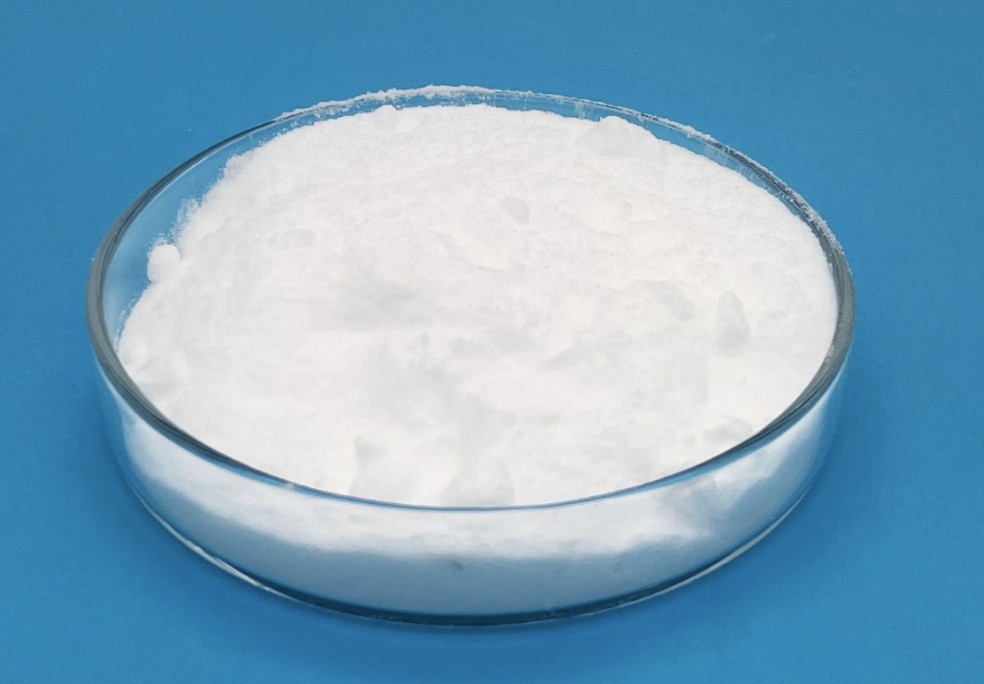
Numele produsului: Articaine
Sinonime: metil 4-metil-3-(2-propilaminopropanoilamino)tiofen-2-carboxilat;ARTICAINĂ;ARTICAINE HCL;4-metil-3-[2-[propilamino] propionamido]-2-acid tiofencarboxilic, ester metilic;Carticaine;40045;4-metil-3-[[1-oxo-2-(propilamino)propil]amino]-2-esterul metilic al acidului tiofencarboxilic;4-metil-3-[1-oxo-2-(propilamino)propilamino]-2-esterul metilic al acidului tiofencarboxilic
CAS: 23964-58-1
MF: C13H20N2O3S
MW: 284.38
Utilizare Articaine este un anestezic local cu acțiune scurtă pe bază de amidă, utilizat pentru anestezia regională în cazuri de zi, cum ar fi artroscopia, mână , chirurgie alimentară și în stomatologie.
Articaine is a local anaesthetic that has been approved overseas for several years. Like other amide anaesthetics, articaine blocks nerve conduction when it is infiltrated around a nerve. This action is prolonged by combining the drug with a vasoconstrictor.
The combination of articaine and adrenaline can be used for local or regional anaesthesia for dental procedures. Anaesthesia begins within six minutes and lasts for an hour. The half-life of articaine is approximately 1.8 ore. It is metabolised and then mainly excreted in the urine.
Articaina este utilizată pentru controlul durerii. Ca și alte medicamente anestezice locale, articaina determină o stare de anestezie tranzitorie și complet reversibilă (pierderea senzației) în timpul (dentare) proceduresIn dentistry, articaina este folosită atât pentru infiltrare, cât și pentru injecții bloc, with the block technique yielding the greatest duration of anesthesiaIn people with hypokalemic sensory overstimulation, lidocaina nu este foarte eficientă, dar articaina funcționează bine.
Characteristic for articaine HCl is that they are fast acting and effective in penetrating bone. The latter has not been proven scientifically but is the opinion of those who work with these products. When using articaine HCl, the patient no longer has to return to the waiting room to allow the anesthetic to take effect. During treatment, it seems as though articaine HCl are more effective than most other anesthetics. For these reasons, increasing numbers of dentists and dental surgeons are opting for articaine HCl.
Articaine is a local anaesthetic that has been approved overseas for several years. Like other amide anaesthetics, articaine blocks nerve conduction when it is infiltrated around a nerve. This action is prolonged by combining the drug with a vasoconstrictor.
The combination of articaine and adrenaline can be used for local or regional anaesthesia for dental procedures. Anaesthesia begins within six minutes and lasts for an hour. The half-life of articaine is approximately 1.8 ore. It is metabolised and then mainly excreted in the urine.