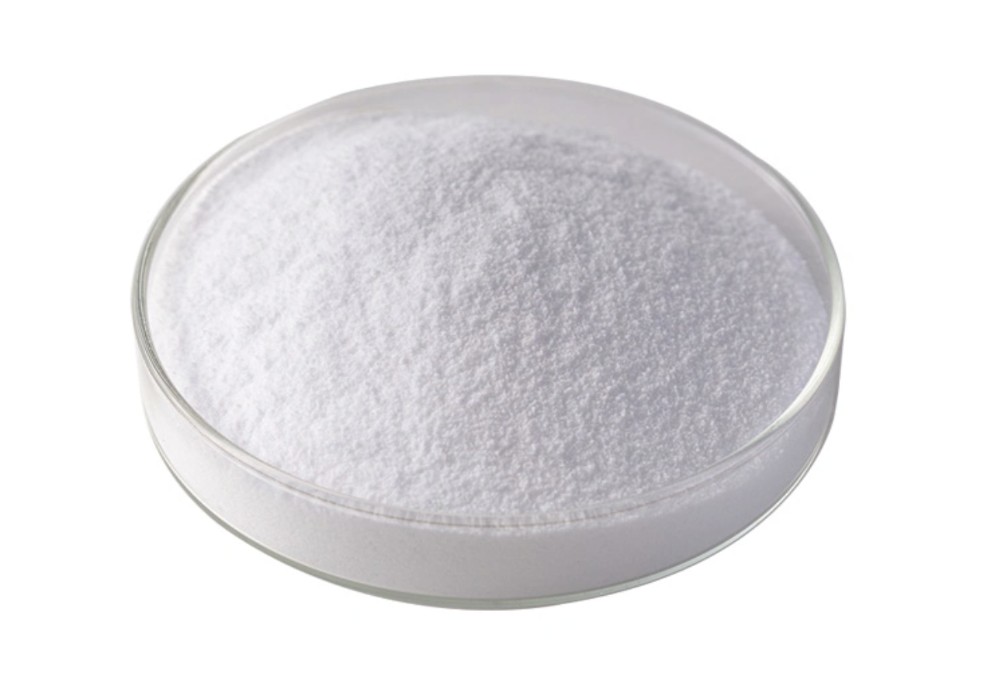
製品名: NSI-189
同義語: NSI-189;(4-ベンジルピペラジン-1-イル)-[2-(3-メチルブチルアミノ)ピリジン-3-イル]メタノン;(4-ベンジルピペラジン-1-イル)(2-(イソペンチルアミノ)ピリジン-3-イル)メタノン;[2-[(3-メチルブチル)アミノ]-3-ピリジニル][4-(フェニルメチル)-1-ピペラジニル]メタノン;[2-[(3-メチルブチル)アミノ]-3-ピリジニル][4-(フェニルメチル)-1-ピペラジニル]メタノン NSI189;NSI-189 [2-[(3-メチルブチル)アミノ]-3-ピリジニル][4-(フェニルメチル)-1-ピペラジニル]メタノン;NSI-189, >=98%;(4-ベンジルピペラジン-1-イル)-[2-(3-メチルブチルアミノ)ピリジン-3-イル]
CAS: 1270138-40-3
MF: C22H30N4O
MW: 366.4998
沸点: 534.7±50.0 °C
密度: 1.134±0.06g/cm3
NSI-189 is a benzylphiperizine-aminiopyridine, nootropic and neurogenic research chemical created by Neuralstem, Inc. that was derived from pyrazine and nicotinamide. Studies have shown that it stimulates neurogenesis of human hippocampus-derived neural stem cells in vivo and vitro . In healthy adult mice, NSI-189 has been shown to increase the hippocampal volume by 20% and reverse behavioral symptoms in mouse depression models, meaning at the source it could address depression . The hippocampus is responsible for spatial navigation, along with the consolidation of information from short-term memory to long-term memory.
The chemical entity stimulates new neuron growth in the hippocampus, which is an area of the brain that is believed to be contributory in conditions such as post-traumatic stress disorder (PTSD), Alzheimer's disease, and major depressive disorder (MDD).
1) Enhance cognition and memory formation.
2) Anxiolytic properties.
3) Anti-depressive effect .
4) Treatment of Alzheimer's and Parkinson's disease.
5) Increase coordination.
6) Improves mood.
7) Help fight fatigue.
8) Prevent oxidation within the brain.
9) Treat alcohol related brain damage.
| 分析項目 |
仕様 |
結果 |
| 外観 |
Off-white powder |
Confrom |
| 識別 |
IR and HPLC spectrum shall conform to the standard sample |
conform |
| 融点 |
83ºC~86ºC |
84.3ºC~85.6ºC |
| 乾燥減量 |
Less than 0.5% |
0.29% |
| 純度(On Dried Base,HPLC) |
NLT 99.5 % |
99.62% |
| Total Impurity |
Less than 0.5% |
0.33% |
| 強熱時の残留物 |
≤0.2% |
0.16% |
| 重金属 |
≤20ppm |
conform |
| 結論 |
資格のある |