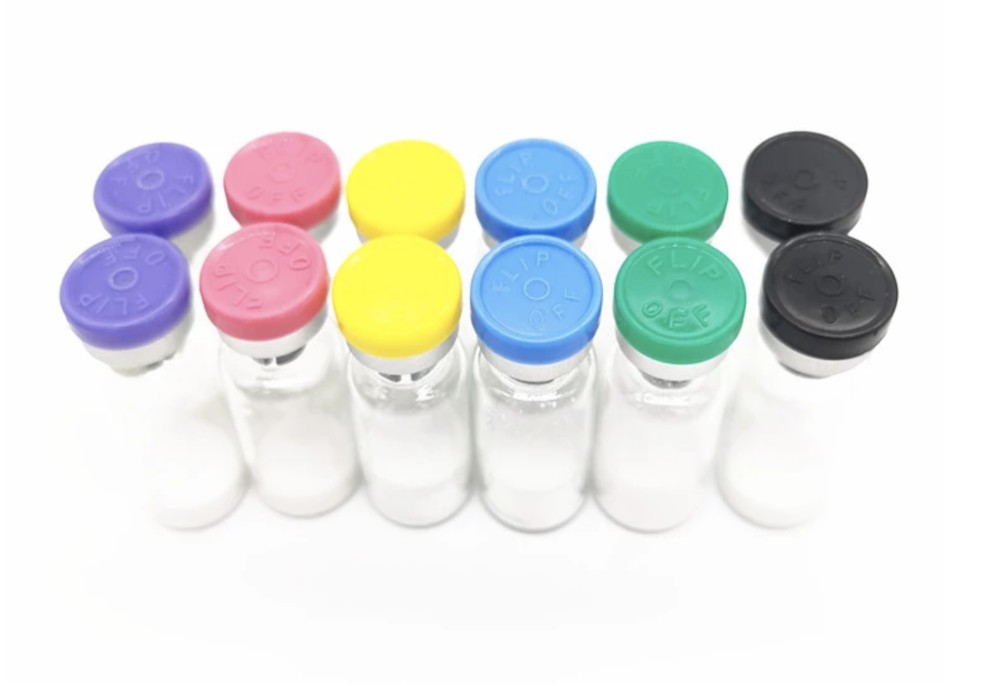
Nom du produit: Follistatine 315/ TVF 315
Spécification: (1mg/flacon)
Grade: Qualité pharmaceutique
Pureté: 95%
Teneur en eau(Karl Fischer): ≤5,0%
Contenu en acétate(par HPLC): ≤15,0%
Mots clés: Follistatine 315,1 mg Follistatine 315, Peptides, Follistatine-315, Peptide Follistatine 315, Follistatine 315 prix, TVF 315 1mg/flacon, Follistatine
Apparence: Stérile Filtré Blanc lyophilisé (lyophilisé) poudre.
Follistatine, également appelée protéine liant l'activine, se trouve dans presque tous les tissus des animaux vertébrés. Sa fonction principale est de neutraliser les membres de la famille TGF-β, qui jouent un rôle fondamental dans tout, de la croissance et du développement à l'homéostasie énergétique et à la régulation du système immunitaire. En particulier, la follistatine interagit avec l'activine, qui joue un rôle important dans la prolifération et la mort cellulaire ainsi que dans la réponse immunitaire en ce qui concerne la réparation des plaies.
Follistatine 344 et 315 sont des analogues artificiels de la follistatine naturelle. Les deux sont créés par épissage alternatif du transcrit de l'ARNm de la follistatine. Des recherches scientifiques chez des primates non humains ainsi que chez des souris ont indiqué que les deux molécules sont capables d'améliorer la croissance musculaire en antagonisant la myostatine. (un membre de la famille TGF-β).
Follistatin is fascinating protein that can increase muscle mass beyond natural potential by suppressing myostatin. Scientists first identified follistatin while examining porcine (re: cochon) follicular fluid in the ovaries.
Follistatin is naturally found in the skeletal muscle of almost all mammals with advanced or developed characteristics, such as humans, rodents, and cows. Follistatin is high in the non-essential amino acid cystine but unlike most proteins discussed in the fitness world, follistatin has carbohydrates attached to it.
| Nom du produit |
Follistatine 315 |
| Spécification |
1mg/flacon |
| Pureté |
98%min |
| Apparence |
Poudre blanche |
| Rotation optique spécifique (c=0,5, 10 % HAc) |
-50.0~-60,0° |
| Teneur en eau(Karl Fischer) |
≤5,0% |
| Contenu en acétate(par HPLC) |
≤15,0% |
| Composition en acides aminés |
±10% de la théorique |
| Pureté (par HPLC) |
≥98,0 % |
| Impureté unique(par HPLC) |
≤1,0% |
| Contenu peptidique(par %N) |
≥80% |
| Essai(Par anhydre, Sans acide acétique ) |
95.0~105,0% |
| Endotoxines bactériennes |
≤5UE/mg |
| Storage/Stability |
Stored at -20 °C if preferred. Storage in frost-free freezers is not recommended |