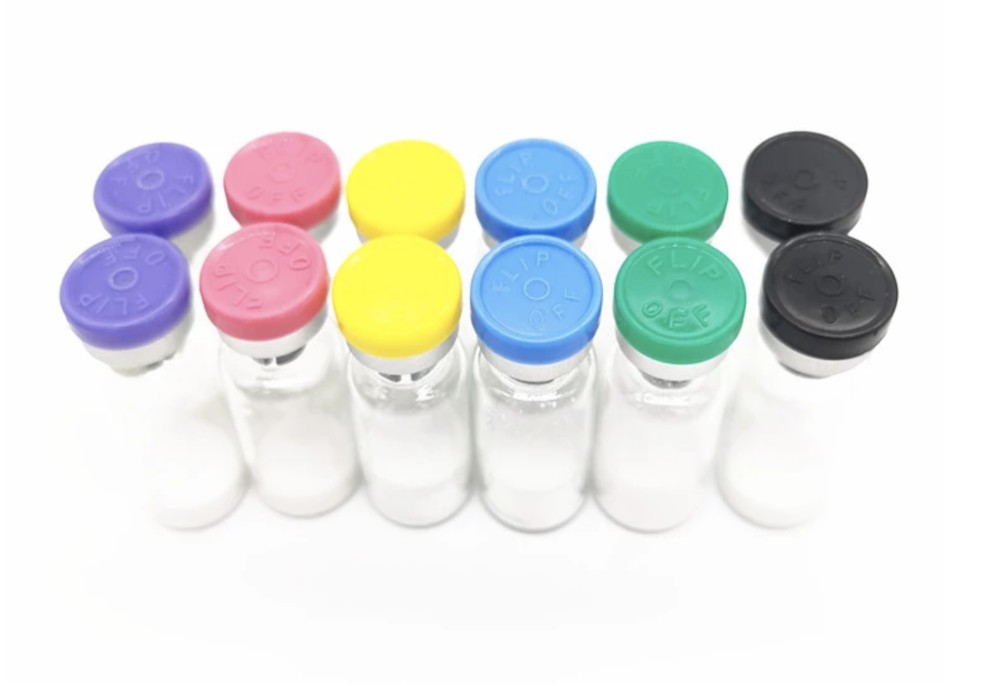
Octreotida
Alias:Acetato de Octreotida,Ácido guarílico desoxirribose de sódio,Octreotida acética,Octreotida,Sandostatina
Nº CAS. : 79517-01-4
Pureza (HPLC) : 98.0%min.
Fórmula Molecular : C51H70N10O12S2
Peso molecular : 1079.3
Aparência : Pó branco
Octreotida (marca Sandostatina, Novartis Farmacêutica) é um octapeptídeo que imita farmacologicamente a somatostatina natural, embora seja um inibidor mais potente do hormônio do crescimento, glucagon, e insulina do que o hormônio natural. Foi sintetizado pela primeira vez em 1979 pelo químico Wilfried Bauer.The Food and Drug Administration (FDA) aprovou o uso de uma forma de sal deste peptídeo, acetato de octreotida, como uma formulação de depósito injetável para o tratamento da acromegalia, o tratamento de episódios de diarreia e rubor associados à síndrome carcinóide, and treatment of diarrhoea in patients with vasoactive intestinal peptide-secreting tumors (VIPomas).
Octreotide has also been used off-label for the treatment of severe, refractory diarrhea from other causes. It is used in toxicology for the treatment of prolonged recurrent hypoglycemia after sulfonylurea and possibly meglitinides overdose. It has also been used with varying degrees of success in infants with nesidioblastosis to help decrease insulin hypersecretion.
Octreotide has been used experimentally to treat obesity, particularly obesity caused by lesions in the hunger and satiety centers of the hypothalamus, a region of the brain central to the regulation of food intake and energy expenditure. The circuit begins with an area of the hypothalamus, the arcuate nucleus, that has outputs to the lateral hypothalamus (ES) e hipotálamo ventromedial (VMH), os centros de alimentação e saciedade do cérebro, respectivamente. O VMH às vezes é prejudicado pelo tratamento contínuo para leucemia linfoblástica aguda (TODOS) ou cirurgia ou radiação para tratar tumores da fossa craniana posterior.