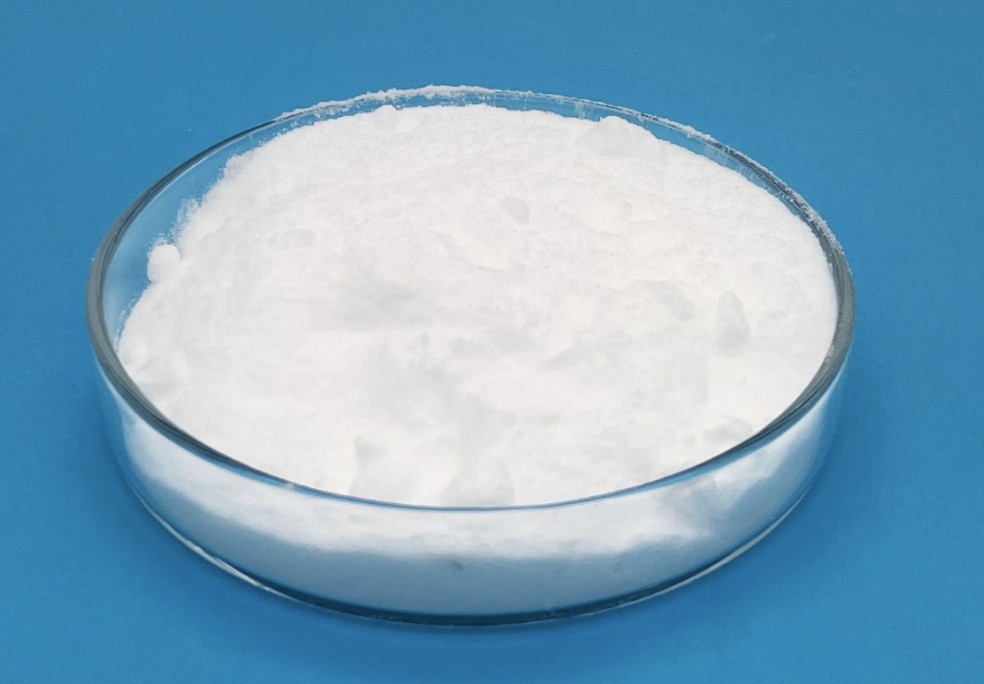
Proxymetacainum locale anaestheticum est quod in applicatione topica nervi sensus in textus corneae penetrat..
Proxymetacaina antagonista in voltage-gatatis canalibus sodium agere creditur, ut membranarum neuronalium permeabilitatem afficiat.; quomodo sensus dolorem inhibet et mechanismum exactum actionis proxymetacainae are.
Proxymetacaine est ad usum ophthalmicum topicum solum, et specialiter non pro iniectio. Longus usus huius vel cuiusvis alterius anaesthetici ocularis topici potest producere opacificationem corneam permanentem cum comite damno visuali..
Proxymetacaine praesto est ut sal hydrochloridum in solutionibus ophthalmicis ad concentratio 0.5%. Etsi non iam in patentibus, adhuc venales sunt sub nominibus artis Alcaine, Ak-Taine, et alii. Proparacaine 0.5% venales ut Poencaina per Poen Laboratories.
Anesthesia, loci- Proparacaina et tetracaina indicantur producere anesthesiam localem brevem durationis pro processibus ophthalmicis includentibus mensurationem pressurae intraocularis, remotionem corporum externorum et suturarum, et conjunctivae et corneae radi in diagnosi et gonioscopio.