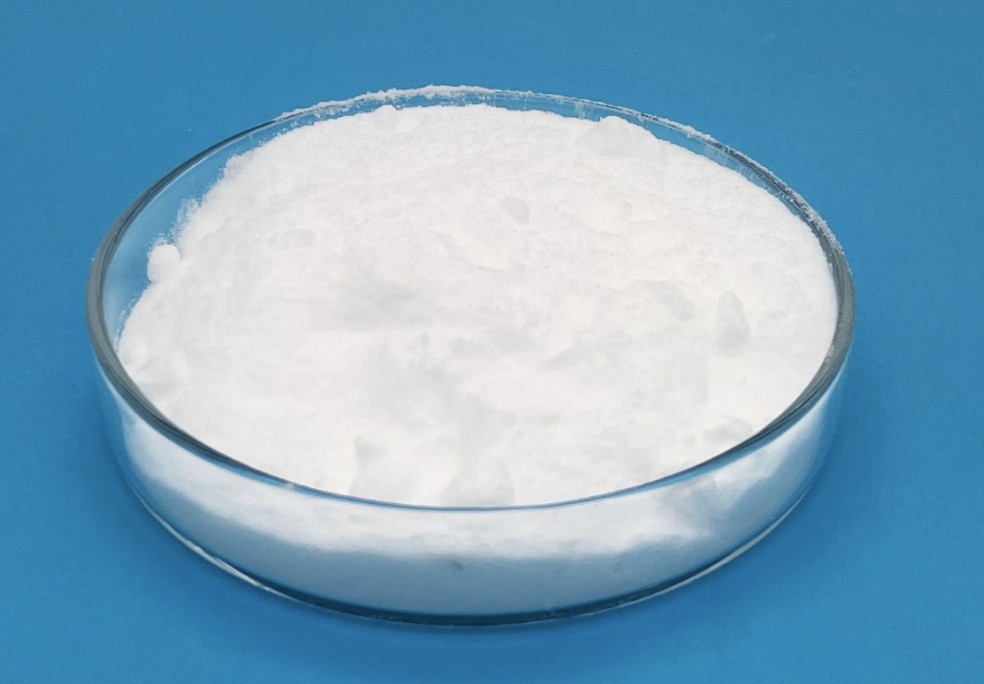
Proxymetacaine is a local anesthetic which on topical application penetrates sensory nerve endings in the corneal tissue.
Proxymetacaine is believed to act as an antagonist on voltage-gated sodium channels to affect the permeability of neuronal membranes; how this inhibits pain sensations and the exact mechanism of action of proxymetacaine are.
Proxymetacaine is for topical ophthalmic use only, and it is specifically not intended for injection. Prolonged use of this or any other topical ocular anesthetic may produce permanent corneal opacification with accompanying visual loss.
Proxymetacaine is available as its hydrochloride salt in ophthalmic solutions at a concentration of 0.5%. Although it is no longer on patent, it is still marketed under the trade names Alcaine, Ak-Taine, en anderen. Proparacaine 0.5% is marketed as Poencaina by Poen Laboratories.
Anesthesie, lokaal- Proparacaïne en tetracaïne zijn geïndiceerd voor het produceren van lokale anesthesie van korte duur bij oogheelkundige ingrepen, waaronder het meten van de intraoculaire druk., verwijdering van vreemde lichamen en hechtingen, en conjunctivaal en hoornvliesschrapen bij diagnose en gonioscopie.