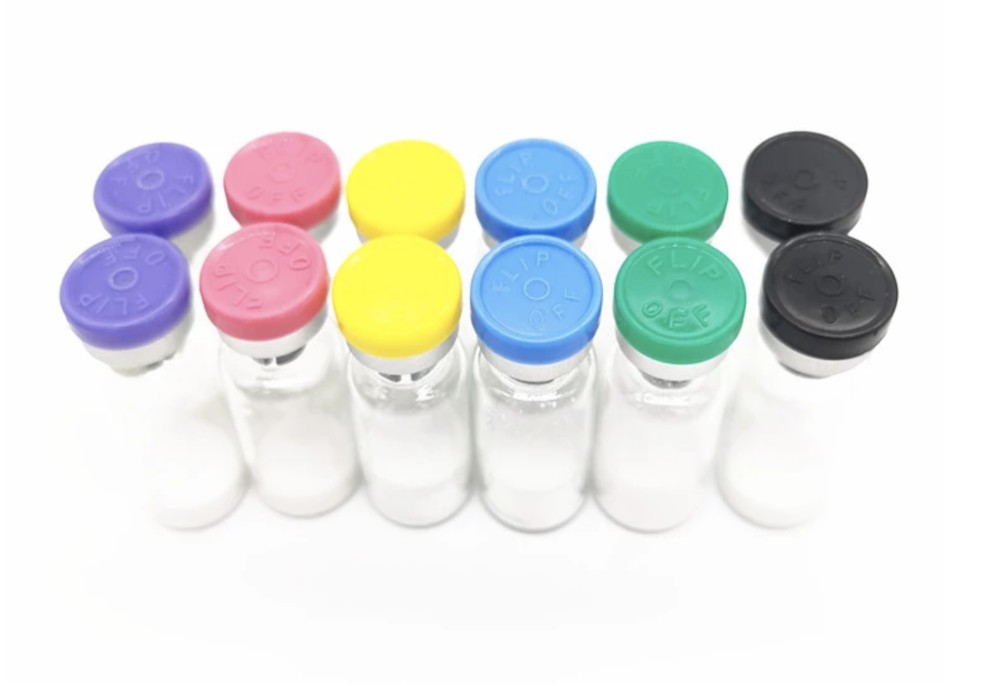
GLP-1 (7-37) Acetát
Sekvencia: His-Ala-Glu-Gly-Thr-Phe-Thr-Ser-Asp-Val-Ser-Ser-Tyr-Leu-Glu-Gly-Gln-Ala-Ala-Lys-Glu-Phe-Ile-Ala-Trp-Leu-Val-Lys-Gly-Arg-Gly
Alias : 7-37-Glukagónu podobný peptid I (človek);Peptid príbuzný glukagónu 1 (Rana catesbeiana),3-Kyselina L-glutamová-10-L-valín-16-glycín-17-L-glutamín-23-L-izoleucín-24-L-alanín-27-L-valín-31-glycín-32-de-L-lyzín-
Cas č.: 106612-94-6
Molekulový vzorec: C151H228N40O47
Molekulová hmotnosť: 3355.74
Čistota (HPLC): 99.0%
Vzhľad: Biely prášok
Jediná nečistota (HPLC): 1.0%
Aminokyselinové zloženie: 10% teoretického
Obsah peptidov (N %): 80% (od %N)
Obsah vody (Karl Fischer): 6.0%
Obsah acetátu (HPIC): 15.0%
stupňa : Farmaceutická trieda
Skladovanie: ZATVORENÉ, nižšie 2 ~ 8 ℃ konzervácia
Použitie : GLP-1 can obviously improve the blood glucose in type 2 diabetes animal models or patients through a variety of mechanisms, which promote the regeneration and repair of islet beta cells, increase the number of beta cells is particularly significant role, provides a very good prospect for the treatment of type 2 diabetes mellitus.
Glucagon-like peptide-1 (GLP-1) is derived from the transcription product of the proglucagon gene. The major source of GLP-1 in the body is the intestinal L cell that secretes GLP-1 as a gut hormone. The biologically active forms of GLP-1 are:GLP-1-(7-37) and GLP-1-(7-36)NH2.
GLP-1 secretion by L cells is dependent on the presence of nutrients in the lumen of the small intestine. The secretagogues (agents that cause or stimulate secretion) of this hormone include major nutrients like carbohydrate, protein and lipid. Once in the circulation, GLP-1 has a half life of less than 2 minút, due to rapid degradation by the enzyme dipeptidyl peptidase-4.
GLP-1 (7-37) is a truncated, bioactive form of GLP-1 that is the product of proglucagon processing in intestinal endocrine L cells. It is a potent insulinotropic hormone.
Účinok GLP-1 GLP-1 môže chrániť beta bunky, môže pôsobiť na beta bunky pankreasu, podporovať syntézu inzulínu, transkripciu a sekréciu inzulínového génu a môže stimulovať proliferáciu a diferenciáciu ostrovčekových beta buniek, inhibujú apoptózu beta buniek pankreasu, zvýšiť počet beta buniek ostrovčekov [2-5]. Okrem toho, GLP-1 sa môže aplikovať aj na pankreatické alfa bunky, strongly inhibit the release of glucagon, and act on the islet delta cells, promote the secretion of somatostatin, somatostatin cells and can be used as a paracrine hormone involved in the inhibition of glucagon.
GLP-1 with glucose concentration dependent hypoglycemic effect, t.j. only rise in glucose levels under the condition of GLP-1, only play a hypoglycemic effect, but in normal blood sugar levels, caused no further decrease. The glucose concentration dependence of the GLP-1 is its hypoglycemic properties of clinical application safety of foundation and security, thereby avoiding people may cause severe hypoglycemia in patients with existing drug treatment for diabetes and scheme of worry.