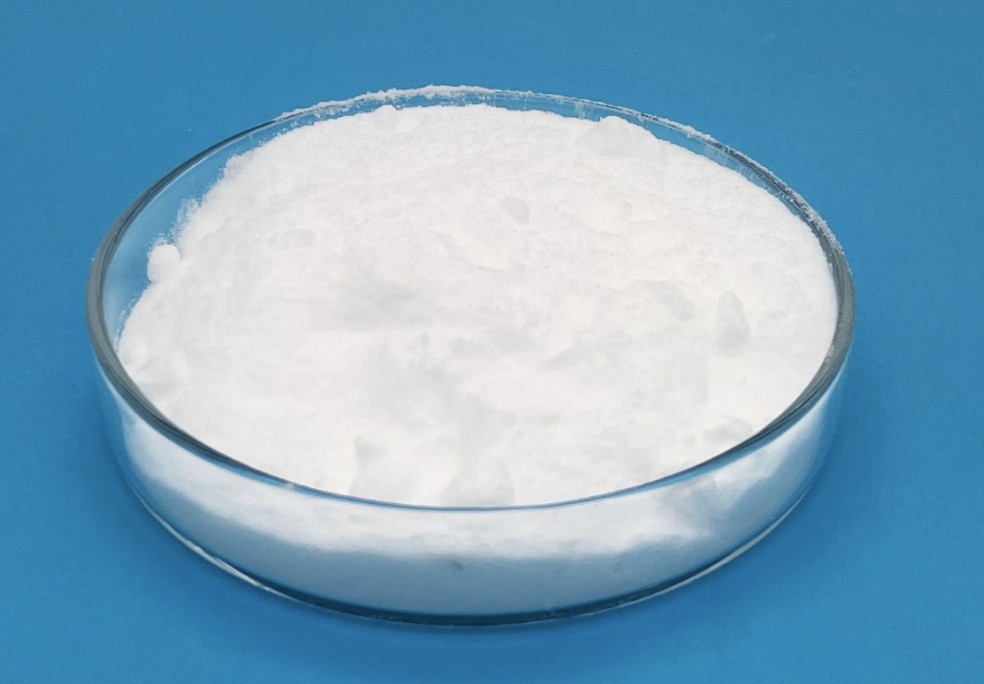
Mepivicaine is een lokaal anestheticum van het amidetype. Mepivicaine heeft een redelijk snel begin en een gemiddelde duur en staat bekend onder de merknamen Carbocaïne en Polocaïne. Mepivicaine wordt gebruikt bij lokale infiltratie en regionale anesthesie. Systemische absorptie van lokale anesthetica veroorzaakt effecten op het cardiovasculaire systeem en het centrale zenuwstelsel. Bij bloedconcentraties die worden bereikt met normale therapeutische doses, veranderingen in de hartgeleiding, prikkelbaarheid, vuurvastheid, contractiliteit, en perifere vasculaire weerstand zijn minimaal.
Mepivacaine is an amide type local anesthetic.Mepivacaine has a fairly quick effect (faster than procaine) and moderate duration (short of procaine) and is sold in various names including carp and procaine.
Mepivacaine went public in the United States in the 1960s.The product is suitable for penetration, nerve block and epidural anesthesia. Methylpivacaine is only effective at large doses, so this approach should not be used.
Mepivacaine is a local anesthetic of the amide type. Mepivacaine has a reasonably rapid onset (more rapid than that of procaine) and medium duration of action (shorter than that of procaine) and is marketed under various trade names including Car and Polo.
Mepivacaine became available in the United States in the 1960s.Mepivacaine is used in any infiltration and regional anesthesia.It is supplied as the hydrochloride salt of the racemate, which consists of R(-)-mepivacaine and S(+)-mepivacaine in equal proportions. These two enantiomers have markedly different pharmacokinetic properties