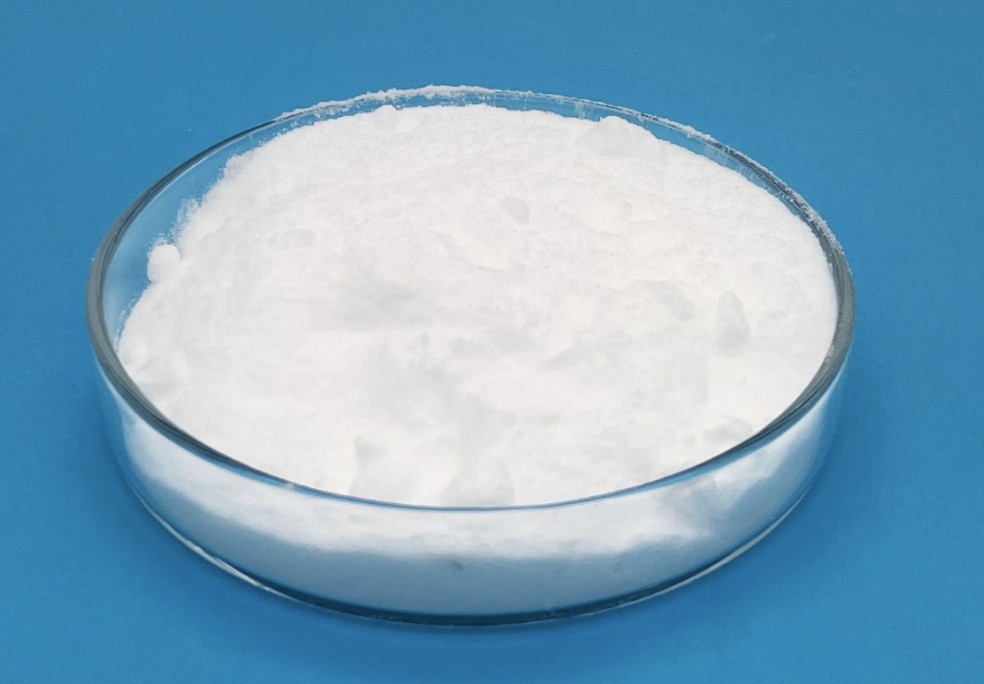
A mepivicaína é um anestésico local do tipo amida. A mepivicaína tem início razoavelmente rápido e duração média e é conhecida pelos nomes comerciais como Carbocaína e Polocaína. Mepivicaína é usada em infiltração local e anestesia regional. A absorção sistêmica de anestésicos locais produz efeitos nos sistemas cardiovascular e nervoso central. Nas concentrações sanguíneas alcançadas com doses terapêuticas normais, alterações na condução cardíaca, excitabilidade, refratariedade, contratilidade, e a resistência vascular periférica são mínimas.
Mepivacaine is an amide type local anesthetic.Mepivacaine has a fairly quick effect (faster than procaine) and moderate duration (short of procaine) and is sold in various names including carp and procaine.
Mepivacaine went public in the United States in the 1960s.The product is suitable for penetration, nerve block and epidural anesthesia. Methylpivacaine is only effective at large doses, so this approach should not be used.
Mepivacaine is a local anesthetic of the amide type. Mepivacaine has a reasonably rapid onset (more rapid than that of procaine) and medium duration of action (shorter than that of procaine) and is marketed under various trade names including Car and Polo.
Mepivacaine became available in the United States in the 1960s.Mepivacaine is used in any infiltration and regional anesthesia.It is supplied as the hydrochloride salt of the racemate, which consists of R(-)-mepivacaine and S(+)-mepivacaine in equal proportions. These two enantiomers have markedly different pharmacokinetic properties