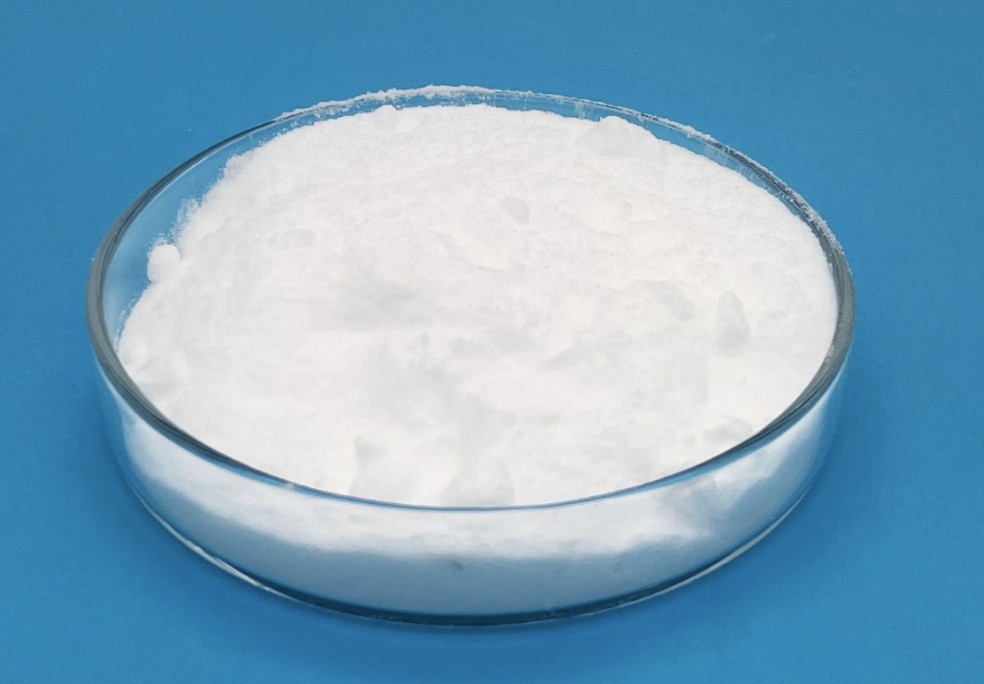
Название продукта: Прамоксина гидрохлорид
Английские синонимы: проктопена; Прамоксина гидрохлорид; Праксомина гидрохлорид; Тронотан гидрохлорид; ; прамокаина гидрохлорид;
КАС: 637-58-1
Номер EINECS: 211-293-1
Формула: C17H28ClNO3
МВт: 329.8621
Точка кипения: 427 °С при 760 мм рт.ст.
Точка возгорания: 123.5 °С
Давление пара: 1.7Э-07мм рт.ст. 25 °С
Анализ:99%
Появление: белый или почти белый кристаллический порошок
Использование:Местные анестетики
Прамоксина гидрохлорид представляет собой гидрохлоридную форму прамоксина., производное морфолина с местным анестезирующим действием. Прамокаина гидрохлорид снижает проницаемость мембраны нейронов для ионов натрия путем обратимого связывания и ингибирования потенциалзависимых натриевых каналов.. Это приводит к стабилизации мембраны и, тем самым ингибируя ионные потоки, необходимые для деполяризации мембраны., что приводит к неспособности инициировать распространяющийся потенциал действия и последующей блокаде проводимости..
Прамоксин используется для временного облегчения зуда и боли, вызванных незначительным раздражением кожи, например небольшими ожогами/порезами/царапинами., солнечный ожог, экзема, укусы насекомых, герпес, или сыпь от ядовитого плюща, ядовитый дуб, или яд сумах. Некоторые продукты, содержащие прамоксин, также используются для временного облегчения зуда и дискомфорта при геморрое и некоторых других проблемах генитальной/анальной области. (например, анальные трещины, зуд вокруг влагалища/прямой кишки).
Местные анестетики используются для облегчения боли и зуда, вызванных такими состояниями, как солнечный ожог или другие незначительные ожоги., укусы насекомых или ужаления, ядовитый плющ, ядовитый дуб, яд сумах, и небольшие порезы и царапины. Прамокаин и дибукаин также являются распространенными ингредиентами безрецептурных препаратов от геморроя..
Анестезия, местный- Пропаракаин и тетракаин показаны для кратковременной местной анестезии при офтальмологических процедурах, включая измерение внутриглазного давления., удаление инородных тел и швов, соскоб конъюнктивы и роговицы в диагностике и гониоскопии.. Proparacaine hydrochloride and tetracaine are also indicated to produce local anesthesia prior to surgical procedures such as cataract extraction and pterygium excision, usually as an adjunct to locally injected anesthetics. Ophthalmic solutions used for intraocular procedures should be preservative-free. Preservatives may cause damage to the corneal epithelium if a significant quantity of solutionenters the eye through the incision.
| Диапазон плавления |
170~174°С |
171.7~173,2°С |
| Потери при высыхании |
≤1,0% |
0.12% |
| Остаток при зажигании |
≤0,1% |
0.04% |
| Этанол |
≤0,5% |
0.061% |
| Карбинол |
≤0,3% |
0.10% |
| Ацетон |
≤0,5% |
Не обнаружено |
| Анализ |
98.0%~102,0% |
99.98% |
| Заключение |
The results conforms with USP33 |