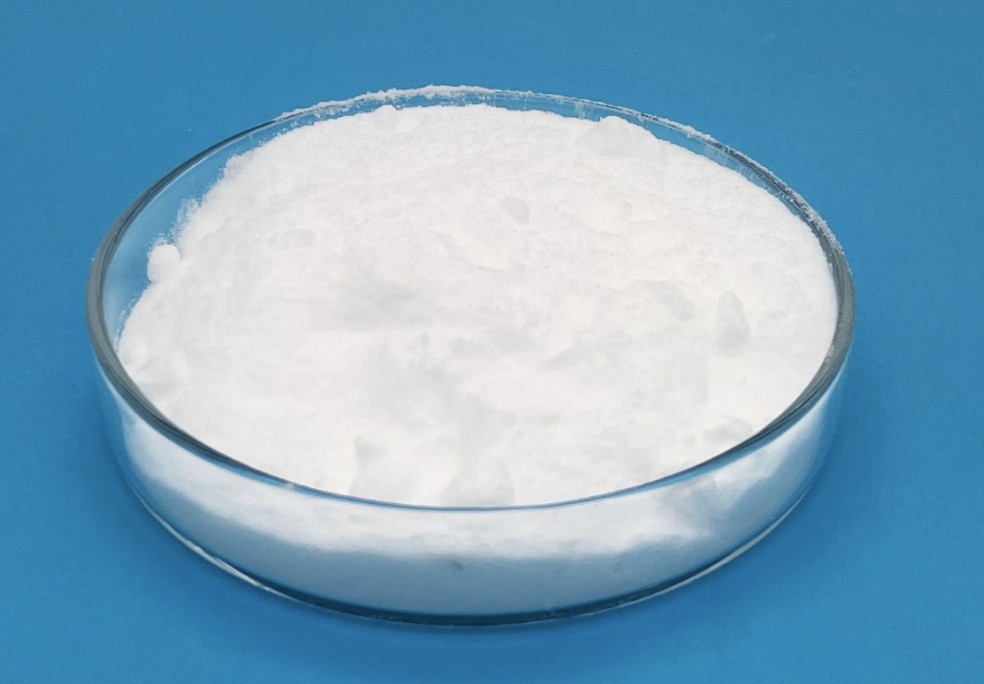
Nome do produto: Pramoxine Hydrochloride
Sinônimos em inglês: espuma procto; Pramoxina HCl; Cloridrato de Praxomina; Cloridrato de Tronotano; ; Cloridrato de pramocaína;
CAS: 637-58-1
Número EINECS: 211-293-1
Fórmula: C17H28ClNO3
PM: 329.8621
Ponto de ebulição: 427 ° C em 760 mmHg
Ponto de inflamação: 123.5 °C
Pressão de Vapor: 1.7E-07mmHg em 25 ° C
Ensaio:99%
Aparência: pó cristalino branco ou quase branco
Usos:Anestésicos locais
Pramoxine Hydrochloride is the hydrochloride salt form of pramoxine, a morpholine derivative with local anesthetic property.Pramocaine hydrochloride decreases the permeability of the neuronal membrane to sodium ions by reversibly binding to and inhibiting voltage-gated sodium channels. This results in stabilization of the membrane and, thereby inhibiting the ionic fluxes required for membrane depolarization, hence resulting in the failure to initiate a propagated action potential and subsequent conduction blockade.
Pramoxine is used to temporarily relieve itching and pain caused by minor skin irritation such as minor burns/cuts/scrapes, sunburn, eczema, picadas de insetos, cold sores, or rashes from poison ivy, carvalho venenoso, or poison sumac. Some products containing pramoxine are also used to temporarily relieve the itching and discomfort from hemorrhoids and certain other problems of the genital/anal area (such as anal fissures, itching around the vagina/rectum).
Topical anesthetics are used to relieve pain and itching caused by conditions such as sunburn or other minor burns, picadas ou picadas de insetos, hera venenosa, carvalho venenoso, sumagre venenoso, and minor cuts and scratches. Pramocaine and dibucaine are also common ingredients in over the counter hemorrhoid preparations.
Anestesia, local- A proparacaína e a tetracaína são indicadas para produzir anestesia local de curta duração para procedimentos oftalmológicos, incluindo medição da pressão intraocular, remoção de corpos estranhos e suturas, e raspagem conjuntival e corneana no diagnóstico e gonioscopia. Proparacaine hydrochloride and tetracaine are also indicated to produce local anesthesia prior to surgical procedures such as cataract extraction and pterygium excision, usually as an adjunct to locally injected anesthetics. Ophthalmic solutions used for intraocular procedures should be preservative-free. Preservatives may cause damage to the corneal epithelium if a significant quantity of solutionenters the eye through the incision.
| Faixa de fusão |
170~174°C |
171.7~173,2°C |
| Perda na secagem |
≤1,0% |
0.12% |
| Resíduo na ignição |
≤0,1% |
0.04% |
| Etanol |
≤0,5% |
0.061% |
| Carbinol |
≤0,3% |
0.10% |
| Acetona |
≤0,5% |
Não detectado |
| Ensaio |
98.0%~102,0% |
99.98% |
| Conclusão |
The results conforms with USP33 |