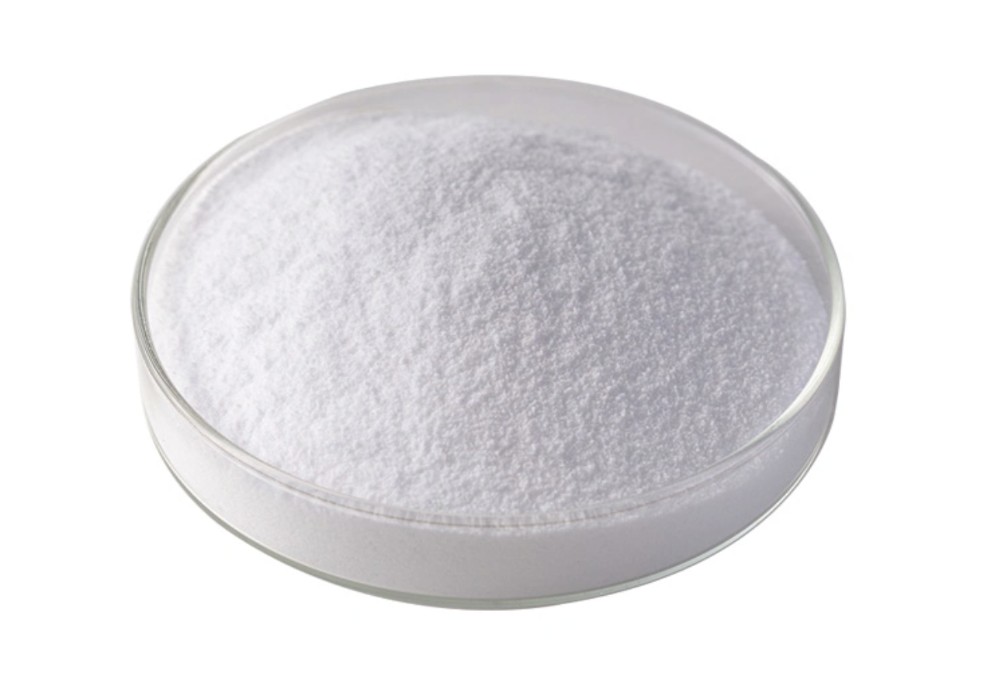
名前:PRL-8-53
化学名:メチル 3-(2-(ベンジル(メチル)アミノ)エチル)安息香酸塩
同義語:PRL-8053;PRL-8-53;メチル 3-(2-(ベンジル(メチル)アミノ)エチル)安息香酸塩酸塩;3-(2-ベンジル(メチル)アミノエチル)安息香酸メチルエステル塩酸塩;m-[2-(ベンジルメチルアミノ)エチル]安息香酸メチルエステル塩酸塩;安息香酸, 3-(2-(メチル(フェニルメチル)アミノ)エチル)-, メチルエステル, 塩酸塩
CAS 51352-87-5
MF:C18H22ClNO2
MW 319.82578
投与量: 人体治験の対象者は、 100 1日あたりmgであり、マイナスの副作用は発生していないようです
PRL-8-53 (化学名 メチル 3-(2-(ベンジル(メチル)アミノ)エチル)安息香酸塩) で発見された合成向知性化合物です。 1972 そして特許を取得しました 1975 故博士によって. ニコラウス・ハンスル, オマハのクレイトン大学の神経薬理学者, ネブラスカ州. 予備的な動物実験では、この化合物が安全であり、顕著な向知性作用があることが示されました。, げっ歯類の回避学習を悪影響なく促進.
しかし、PRL-8-53 に対する本当の関心は、ある出来事によって引き起こされました。 1978 人間のボランティアに関する研究, これは、化合物を 1 回投与すると、単語保持スコアが 1 回以上向上する可能性があることを示しました。 200%.
PRL-8-53 の正確な作用機序は十分に理解されていない, しかし、一般的には、いくつかの重要な神経伝達物質の脳の生成と反応を調節すると考えられています。. ハンスルは人間と動物の研究に関する報告の中で、PRL-8-53がドーパミンを増強することを示唆した, セロトニンの生成を部分的に制限する, アセチルコリンに対する脳の反応を強化します.
ハンスルの研究報告書は、 1978 人間の研究はそれらの行動を示唆しています, 作用機序は明確には説明されていない。高齢の被験者がこの薬の摂取により最も向知性の効果を実感したという事実は、ドーパミン調節がPLR-8-53の効果に主要な役割を果たしているという概念を裏付けている。. 認知機能の低下に関連する通常の加齢に伴うドーパミン生成の減少を上方制御することは、学習と記憶の両方に大きなプラスの影響を与える可能性がある.
| 分析項目 |
仕様 |
結果 |
| 外観 |
オフホワイトの固体粉末 |
適合 |
| 識別 |
NMRに準拠 |
適合 |
| 融点 |
149-152℃ |
150-151℃ |
| 乾燥減量 |
≤0.50% |
0.23% |
| 強熱時の残留物 |
≤1.0% |
0.28% |
| 純度(HPLC) |
≥99% |
99.66% |
| 重金属 |
NMT 20PPM |
適合 |
| 結論 |
資格のある |