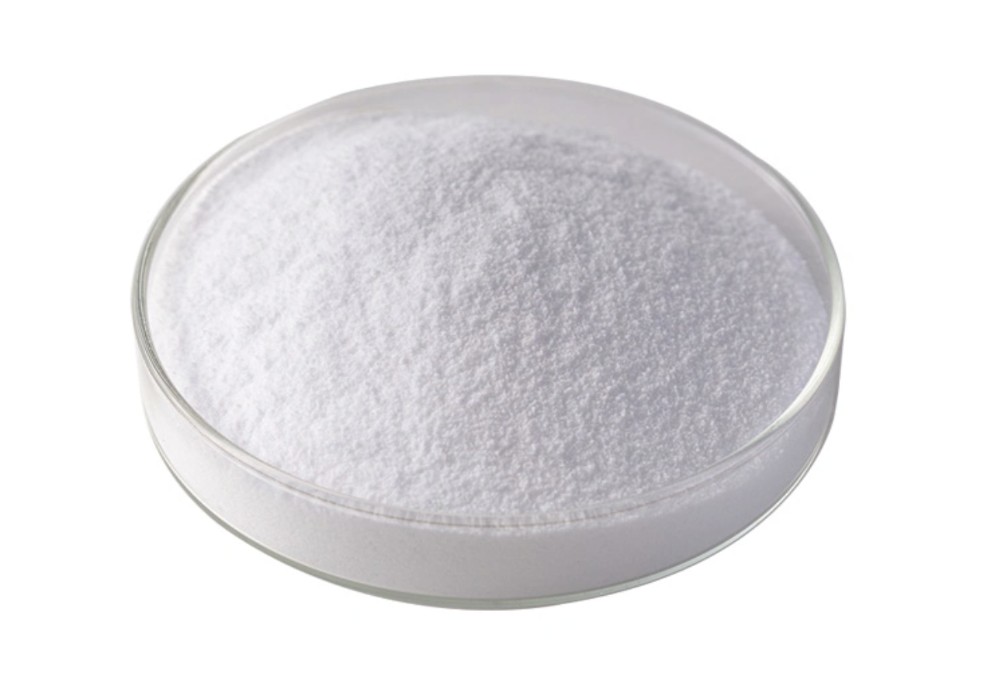
Nome:PRL-8-53
Nome químico:Metilo 3-(2-(benzil(metilo)amino)etilo)benzoate
Sinônimos:PRL-8053;PRL-8-53;Metilo 3-(2-(benzil(Metilo)aMino)etilo)cloridrato de benzoato;3-(2-Benzil(metilo)aminoetil)cloridrato de éster metílico de ácido benzóico;m-[2-(Benzilmetilamino)etilo]cloridrato de éster metílico de ácido benzóico;Ácido benzóico, 3-(2-(Metilo(fenilMetil)aMino)etilo)-, Éster metílico, cloridrato
CAS 51352-87-5
MF:C18H22ClNO2
PM 319.82578
Dosagem: Os indivíduos em testes em humanos foram entregues a 100 mg por dia e não pareceu desenvolver quaisquer efeitos colaterais negativos
PRL-8-53 (chemical name Methyl 3-(2-(benzil(metilo)amino)etilo)benzoate) is a synthetic nootropic compound discovered in 1972 and patented in 1975 by the late Dr. Nikolaus Hansl, a neuropharmacologist at Creighton University in Omaha, Nebraska. Preliminary animal tests indicated that the compound was both safe and significantly nootropic, boosting avoidance learning in rodents with no adverse effects.
But the real interest in PRL-8-53 was sparked by a 1978 study on human volunteers, which showed that a single dose of the compound could improve word retention scores by more than 200%.
PRL-8-53's exact mechanisms of action are not well understood, but it is generally believed to regulate the brain's production of and response to several crucial neurotransmitters. In his reports on human and animal studies Hansl indicated that PRL-8-53 potentiates dopamine, partially restricts production of serotonin, and enhances the brain's response to acetylcholine.
Though Hansl's research report on the 1978 human study suggests those actions, it does not clearly delineate the mechanism of action.The fact that older subjects saw the most nootropic benefit from taking the drug supports the concept that dopamine modulation plays a major role in PLR-8-53's effects. Up-regulating the normal age-related lessening of dopamine production that is associated with cognitive decline could have a significant positive impact on both learning and memory.
| Itens de análise |
Especificação |
Resultados |
| Aparência |
Off white solid powder |
Conforme |
| Identificação |
Conform with NMR |
Em conformidade |
| Ponto de fusão |
149-152ºC |
150-151ºC |
| Perda na secagem |
≤0,50% |
0.23% |
| Resíduo na ignição |
≤1,0% |
0.28% |
| Pureza(HPLC) |
≥99% |
99.66% |
| Metais pesados |
NMT 20PPM |
Em conformidade |
| Conclusão |
Qualificado |