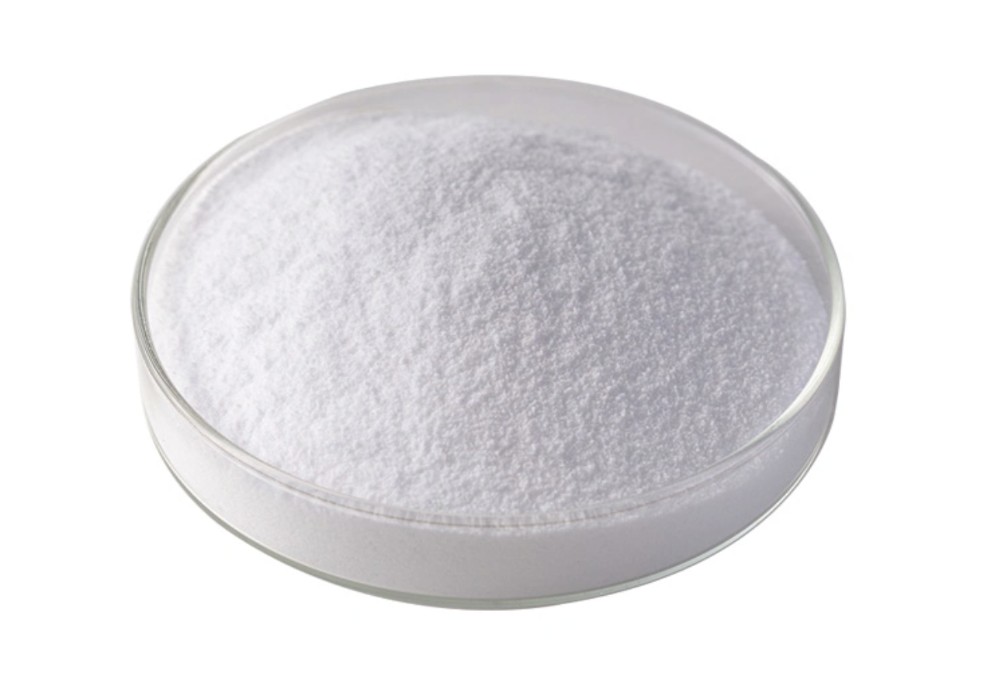
Nombre:PRL-8-53
Nombre químico:Metilo 3-(2-(bencilo(metilo)aminado)etilo)benzoato
Sinónimos:PRL-8053;PRL-8-53;Metilo 3-(2-(bencilo(Metilo)aminado)etilo)clorhidrato de benzoato;3-(2-bencilo(metilo)aminoetilo)clorhidrato de éster metílico del ácido benzoico;metro-[2-(Bencilmetilamino)etilo]clorhidrato de éster metílico del ácido benzoico;ácido benzoico, 3-(2-(Metilo(fenilmetilo)aminado)etilo)-, éster metílico, clorhidrato
CAS 51352-87-5
MF:C18H22ClNO2
megavatio 319.82578
Dosificación: Los sujetos en ensayos en humanos han sido entregados a 100 mg al día y no pareció desarrollar ningún efecto secundario negativo
PRL-8-53 (nombre químico metilo 3-(2-(bencilo(metilo)aminado)etilo)benzoato) es un compuesto nootrópico sintético descubierto en 1972 y patentado en 1975 por el difunto Dr.. Nikolaus Hansl, neurofarmacólogo de la Universidad de Creighton en Omaha, Nebraska. Las pruebas preliminares en animales indicaron que el compuesto era seguro y significativamente nootrópico., Impulsar el aprendizaje de evitación en roedores sin efectos adversos..
Pero el verdadero interés en PRL-8-53 fue provocado por un 1978 estudio sobre voluntarios humanos, que demostró que una dosis única del compuesto podría mejorar las puntuaciones de retención de palabras en más de 200%.
Los mecanismos de acción exactos del PRL-8-53 no se comprenden bien, pero generalmente se cree que regula la producción y la respuesta del cerebro a varios neurotransmisores cruciales.. En sus informes sobre estudios en humanos y animales, Hansl indicó que PRL-8-53 potencia la dopamina., restringe parcialmente la producción de serotonina, y mejora la respuesta del cerebro a la acetilcolina.
Aunque el informe de investigación de Hansl sobre el 1978 estudio en humanos sugiere esas acciones, no delinea claramente el mecanismo de acción. El hecho de que los sujetos de mayor edad obtuvieron el mayor beneficio nootrópico al tomar el medicamento respalda el concepto de que la modulación de la dopamina juega un papel importante en los efectos de PLR-8-53.. La regulación positiva de la disminución normal de la producción de dopamina relacionada con la edad que se asocia con el deterioro cognitivo podría tener un impacto positivo significativo tanto en el aprendizaje como en la memoria..
| Elementos de análisis |
Especificación |
Resultados |
| Apariencia |
Polvo sólido blanquecino |
Ajustarse |
| Identificación |
Conforme con RMN |
Cumple |
| Punto de fusión |
149-152ºC |
150-151ºC |
| Pérdida por secado |
≤0,50% |
0.23% |
| Residuo de ignición |
≤1,0% |
0.28% |
| Pureza(HPLC) |
≥99% |
99.66% |
| metales pesados |
No más de 20 ppm |
Cumple |
| Conclusión |
Calificado |