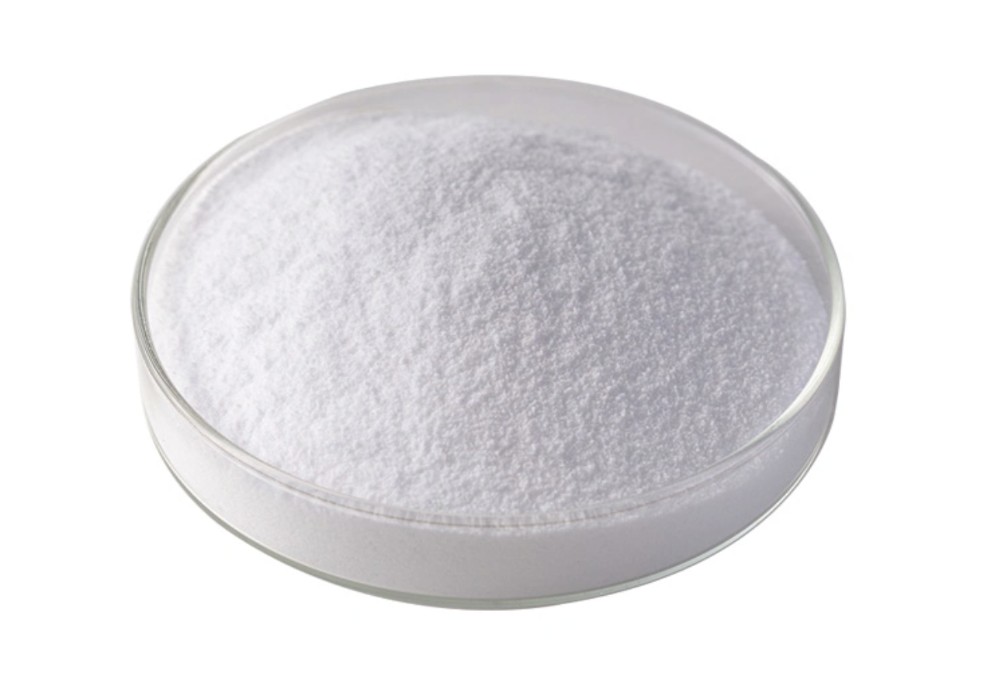
Nazwa:PRL-8-53
Nazwa chemiczna:Metyl 3-(2-(benzyl(metyl)amino)etyl)benzoesan
Synonimy:PRL-8053;PRL-8-53;Metyl 3-(2-(benzyl(Metyl)aMino)etyl)chlorowodorek benzoesanu;3-(2-Benzyl(metyl)aminoetylowy)chlorowodorek estru metylowego kwasu benzoesowego;M-[2-(Benzylometyloamino)etyl]chlorowodorek estru metylowego kwasu benzoesowego;Kwas benzoesowy, 3-(2-(Metyl(fenylometyl)aMino)etyl)-, Ester metylowy, chlorowodorek
CAS 51352-87-5
MF:C18H22ClNO2
MW 319.82578
Dawkowanie: Odmówiono udziału w badaniach na ludziach 100 mg na dobę i nie zaobserwowano żadnych negatywnych skutków ubocznych
PRL-8-53 (nazwa chemiczna metyl 3-(2-(benzyl(metyl)amino)etyl)benzoesan) to syntetyczny związek nootropowy odkryty w 1972 i opatentowany w 1975 przez zmarłego dr. Nikolaus Hansl, neurofarmakolog na Uniwersytecie Creighton w Omaha, Nebraska. Wstępne testy na zwierzętach wykazały, że związek jest zarówno bezpieczny, jak i znacząco nootropowy, pobudzanie uczenia się przez unikanie u gryzoni bez skutków ubocznych.
Jednak prawdziwe zainteresowanie PRL-8-53 wywołał: 1978 badania na ochotnikach, co wykazało, że pojedyncza dawka związku może poprawić wyniki w zakresie zapamiętywania słów o ponad 200%.
Dokładne mechanizmy działania PRL-8-53 nie są dobrze poznane, but it is generally believed to regulate the brain's production of and response to several crucial neurotransmitters. In his reports on human and animal studies Hansl indicated that PRL-8-53 potentiates dopamine, partially restricts production of serotonin, and enhances the brain's response to acetylcholine.
Though Hansl's research report on the 1978 human study suggests those actions, it does not clearly delineate the mechanism of action.The fact that older subjects saw the most nootropic benefit from taking the drug supports the concept that dopamine modulation plays a major role in PLR-8-53's effects. Up-regulating the normal age-related lessening of dopamine production that is associated with cognitive decline could have a significant positive impact on both learning and memory.
| Elementy analizy |
Specyfikacja |
Wyniki |
| Wygląd |
Off white solid powder |
Odpowiadać |
| Identyfikacja |
Zgodny z NMR |
Zgodny |
| Temperatura topnienia |
149-152°C |
150-151°C |
| Strata przy suszeniu |
≤0,50% |
0.23% |
| Pozostałość po zapłonie |
≤1,0% |
0.28% |
| Czystość(HPLC) |
≥99% |
99.66% |
| Metale ciężkie |
NMT 20 ppm |
Zgodny |
| Wniosek |
Wykwalifikowany |