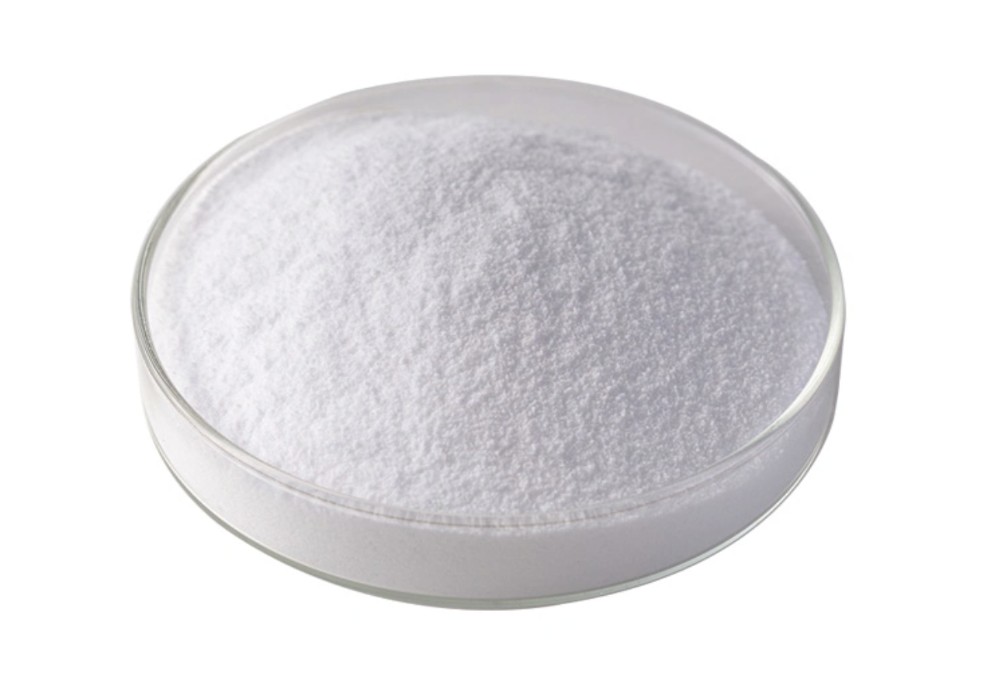
Nom du produit: beta-Diphosphopyridine nucleotide
Synonymes: ILS,DPN,OSTÉOPONTINE, FUSION TPS;)-1-hydroxyde de bêta-d-ribofuranosylpyridinium,sel interne;adénine-nicotinamidedinucléotide;adénosine5′-(trihydrogéniphosphate),p'.fwdarw.'-esterwith3-(aminocarbonyle;Adénosine5′-(trihydrogéniphosphate),P'.mudarw.5′-esterwith3-(aminocarbonyle)-1-.bêta.-D-ribofuranosylpyridinium,sel interne;bêta-diphosphopyridine;confortable;enzopride
CAS: 53-84-9
MF: C21H27N7O14P2
MW: 663.43
EINECS: 200-184-4
Point de fusion: 140-142 °C (décomp)
Point d'ébullition: 329.1±15,0 °C
Densité: 1.137±0,06g/cm3
Température de stockage.: 2-8°C
Apparence: Poudre blanche
Nicotinamide adenine dinucleotide, abbreviated NADh+, is a coenzyme found in all living cells. The compound is a dinucleotide, since it consists of two nucleotides joined through their phosphate groups. One nucleotide contains an adenine base and the other nicotinamide.
In metabolism, NAD+ is involved in redox reactions, carrying electrons from one reaction to another. The coenzyme is, therefore, found in two forms in cells: NAD+ is an oxidizing agent - it accepts electrons from other molecules and becomes reduced. This reaction forms NADH, (Nicotinamide adenine dinucleotide) which can then be used as a reducing agent to donate electrons. These electron transfer reactions are the main function of NAD+. Cependant, it is also used in other cellular processes, the most notable one being a substrate of enzymes that add or remove chemical groups from proteins, in posttranslational modifications. Because of the importance of these functions, the enzymes involved in NAD+ metabolism are targets for drug discovery.