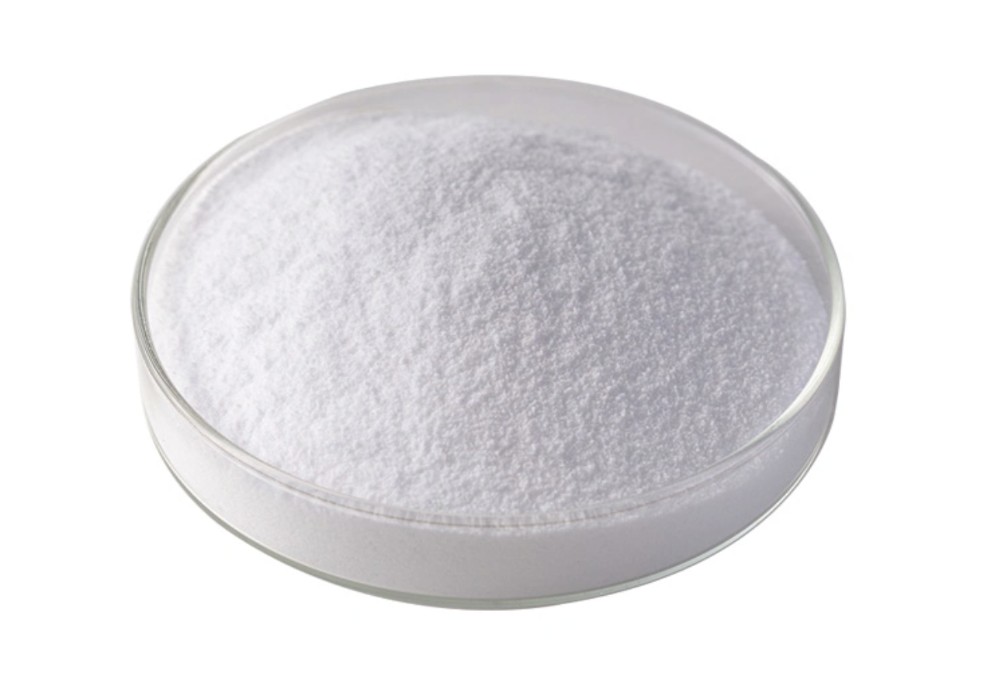
Назва продукту: бета-дифосфопіридиновий нуклеотид
Синоніми: ВОНИ,ДПН,ОСТЕОПОНТИН, GST FUSION;)-1-бета-d-рибофуранозилпіридиніюгідроксид,внутрішньої солі;аденін-нікотинамідінуклеотид;аденозин5′-(тригідрогендифосфат),p’.fwdarw.’-esterwith3-(амінокарбоніл;Аденозин5′-(тригідрогендифосфат),P'.mudarw.5′-ефір з3-(амінокарбоніл)-1-.бета.-D-рибофуранозилпіридиній,внутрішньої солі;бета-дифосфопіридин;затишний;ензоприд
CAS: 53-84-9
MF: C21H27N7O14P2
МВт: 663.43
EINECS: 200-184-4
Температура плавлення: 140-142 °C (розклад)
Температура кипіння: 329.1±15,0 °C
Щільність: 1.137±0,06 г/см3
Температура зберігання: 2-8°C
Зовнішній вигляд: Білий порошок
Нікотинамідаденіндинуклеотид, скорочено NADh+, є коферментом, що міститься у всіх живих клітинах. Сполука є динуклеотидом, оскільки він складається з двох нуклеотидів, з'єднаних через їх фосфатні групи. Один нуклеотид містить аденінову основу, інший — нікотинамід.
В обміні речовин, НАД+ бере участь в окисно-відновних реакціях, перенесення електронів від однієї реакції до іншої. Коензим є, тому, зустрічається в клітинах у двох формах: NAD+ є окислювачем - він приймає електрони від інших молекул і стає відновленим. Ця реакція утворює NADH, (Нікотинамідаденіндинуклеотид) який потім можна використовувати як відновник для віддачі електронів. Ці реакції переносу електронів є основною функцією NAD+. Проте, він також використовується в інших клітинних процесах, найбільш помітним є субстрат ферментів, які додають або видаляють хімічні групи з білків, в посттрансляційних модифікаціях. Через важливість цих функцій, ферменти, залучені в метаболізм NAD+, є мішенями для відкриття ліків.