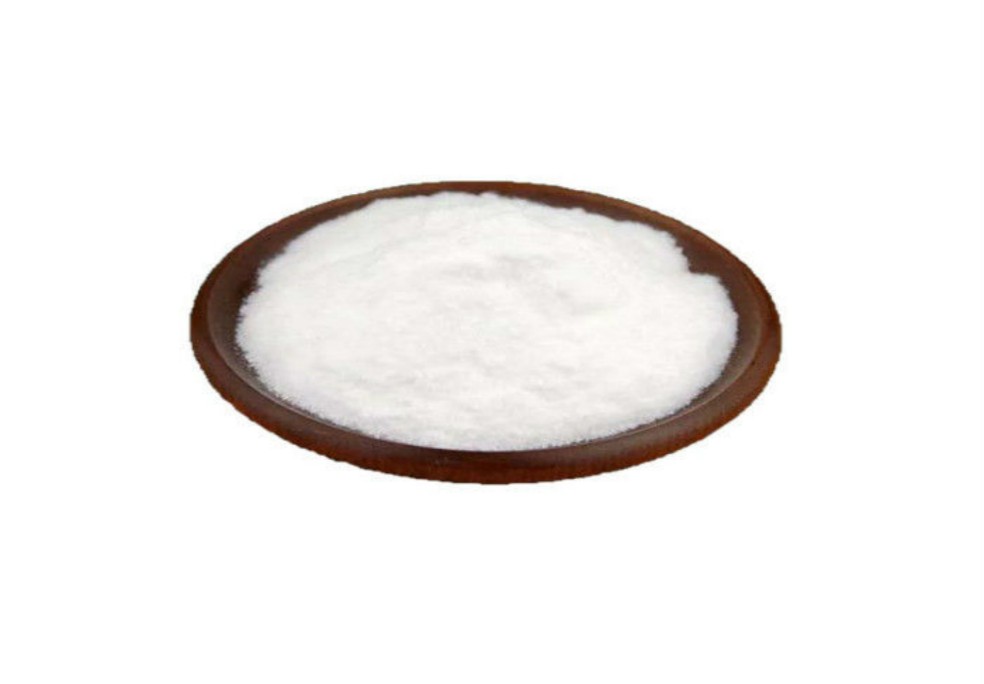
デヒドロエピアンドロステロン硫酸塩, DHEA硫酸塩またはDHEA-Sと略されます。, アンドロステノロン硫酸塩としても知られています, 副腎皮質によって生成される内因性アンドロスタンステロイドです。3β-硫酸エステルであり、デヒドロエピアンドロステロンの代謝産物です。 (DHEA) ステロイドはホルモン的に不活性であり、代わりに重要な神経ステロイドおよびニューロトロフィンです。.
ニューロステロイド活性
他の共役ステロイドと同様に, DHEA-S にはホルモン活性がありません, ステロイドホルモン受容体に対する親和性がありません。ただし、, DHEA-S は、ニューロステロイドおよびニューロトロフィンとしての活性を保持しています。NMDA 受容体のポジティブ アロステリック モジュレーターとして作用することがわかっています。 (50 nM~1μM), GABAA およびグリシン受容体のネガティブ アロステリック モジュレーター, シグマ-1受容体の弱いアゴニスト (Kd > 50 μM).加えて, DHEA-S は、TrkA および p75NTR (神経成長因子などのニューロトロフィンの受容体) に直接結合して活性化することがわかっています。 (NGF) および脳由来神経栄養因子 (BDNF) – 高い親和性 (その周り 5 nM).
ホルモン活性
DHEA-S 自体はホルモン的に不活性ですが、, DHEAに変換して戻すことができると考えられています,アンドロゲン性とエストロゲン性が弱い, そしてDHEAはテストステロンやジヒドロテストステロンのようなより強力なアンドロゲンに変換される可能性がある (DHT) エストラジオールなどのエストロゲンも同様です。, DHEA-S は、アンドロゲン様作用およびエストロゲン様作用の可能性のあるプロホルモンであると考えられてきました。, ある 2005 研究では、DHEA が DHEA-S に変換される可能性があることが判明しましたが、DHEA-S から DHEA への変換の証拠は見つかりませんでした.
その他の活動
DHEA-S は、TRPV1 および TRPC5 の一過性受容体電位チャネルを阻害し、P2X 受容体を阻害することもわかっています。.