Synonymer: 4-Androstenedion(4AD); 3,17-Dioxoandrost-4-Ene;delta-(sup4)-Androsten-3,17-dion;delta(Sup4)-Androsten-3,17-dion;delta4-androsten-3,17-dion;delta-4-androstenedion;SKF 2170;skf2170;4-AD
CAS: 63-05-8
MF: C19H2A2
MW: 286.41
EINECS: 200-554-5
Renhet: 98.88%
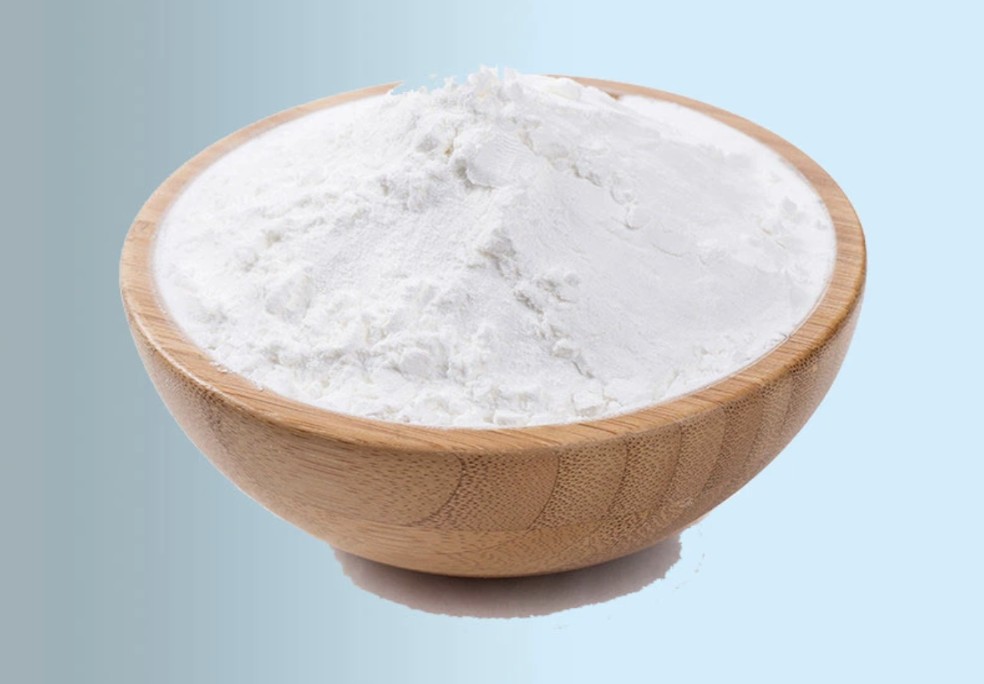
Karakterer: Nær hvitt krystallinsk pulver, løselig i etanol, uløselig i vann
Androstenedion er den vanlige forløperen til mannlige og kvinnelige kjønnshormoner. Noe androstenedion skilles også ut i plasma, og kan omdannes i perifert vev til testosteron og østrogener.
Androstenedion kan syntetiseres på en av to måter. Den primære veien involverer konvertering av 17-hydroksypregnenolon til dehydroepiandrosteron ved hjelp av 17,20-lyase, med påfølgende konvertering av dehydroepiandrosteron til androstenedion via enzymet 3-β-hydroksysteroid dehydrogenase. Den sekundære veien involverer omdannelse av 17-hydroksyprogesteron, oftest en forløper til kortisol, til androstenedion direkte ved hjelp av 17,20-lyase. Slik, 17,20-lyase er nødvendig for syntesen av androstenedion, enten umiddelbart eller ett trinn fjernet.
Produksjonen av adrenal androstenedion styres av ACTH, mens produksjonen av gonadal androstenedion er under kontroll av gonadotropiner. Hos premenopausale kvinner, binyrene og eggstokkene produserer hver omtrent halvparten av den totale androstenedion(ca 3 mg/dag). Etter overgangsalderen, androstenedionproduksjonen er omtrent halvert, hovedsakelig på grunn av reduksjonen av steroidet som skilles ut av eggstokken. Likevel, androstenedion er det viktigste steroidet som produseres av den postmenopausale eggstokken.
| Test elementer |
Spesifikasjon |
Testresultater |
| Utseende |
Hvitt krystallinsk pulver |
Overhold |
| Assay |
≥99%(HPLC)
(titrering) |
99% |
| Smeltepunkt |
170.0-174.0℃ |
171.6-173.5℃ |
| Tap ved tørking |
≤0,5% |
0.01% |
| Spesifikk rotasjon |
+193°~+202° |
+195° |