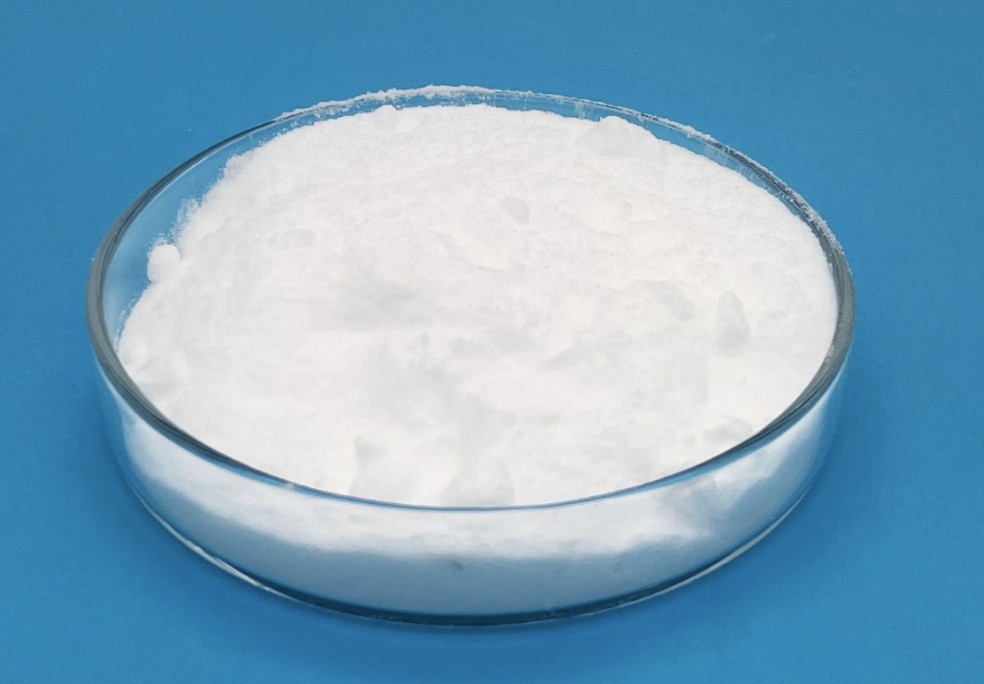
Nome: Cloridrato de Dibucaína
Nº CAS: 61-12-1
Fórmula: C20H30ClN3O2
Peso molecular: 379.98
Sinônimos: 4-Quinolinacarboxamida,2-butoxi-N-[2-(dietilamino)etilo]-, monocloridrato (9IC);Cinchoninamida,2-butoxi-N-[2-(dietilamino)etilo]-, monocloridrato (8IC);2-Butoxi-N-(2-dietilaminoetil)cloridrato de cinchoninamida;2-Butoxi-N-(2-dietilaminoetil)cloridrato de amida de ácido cinconínico;2-n-Butoxi-N-(2-dietilaminoetil)cloridrato de cinchoninamida;Benzolim (anestésico local);Cincaína;Cloreto de cincaína;Cloridrato de cinchocaína;Cloreto de cinchocaínio;Cloridrato de nupercaína;Retalhos;Percaína;Percamina S;Sovcain;Sovacaína;
EINECS: 200-498-1
Densidade: 1.071g/cm3
Ponto de fusão: 99-101 °C(aceso.)
O cloridrato de dibucaína é um anestésico local do tipo amida, agora geralmente usado para anestesia de superfície.. É um dos mais potentes e tóxicos anestésicos locais de ação prolongada e seu uso parenteral é restrito. A droga bloqueia a iniciação e a condução dos impulsos nervosos, diminuindo a permeabilidade da membrana neuronal aos íons sódio.. Isso estabiliza reversivelmente a membrana e inibe a despolarização, resultando na falha de um potencial de ação propagado e subsequente bloqueio de condução.
Em combinação, cloridrato de dibucaína sódica é administrado a cães para induzir rápida, humano, eutanásia sem dor. A solução da eutanásia é tóxica para a vida selvagem. Os animais sacrificados devem ser descartados adequadamente por meio de sepultamento profundo, incineração ou outro método em conformidade com as leis estaduais e locais.
1. O cloridrato de dibucaína é um anestésico local do tipo amida, agora geralmente usado para anestesia de superfície.. É um dos mais potentes e tóxicos anestésicos locais de ação prolongada e seu uso parenteral é restrito.
2. A droga bloqueia a iniciação e a condução dos impulsos nervosos, diminuindo a permeabilidade da membrana neuronal aos íons sódio.. Isso estabiliza reversivelmente a membrana e inibe a despolarização, resultando na falha de um potencial de ação propagado e subsequente bloqueio de condução. Em combinação de sódio, cloridrato de dibucaína é administrado a cães para induzir rápida, humano, eutanásia sem dor. A solução da eutanásia é tóxica para a vida selvagem. Os animais sacrificados devem ser descartados adequadamente por meio de sepultamento profundo, incineração, ou outros métodos em conformidade com as leis estaduais e locais.
| Item |
Padrão |
Resultados do teste |
| Perda na secagem |
≤2,0% |
0.19% |
| Metais pesados |
≤10 ppm |
<10ppm |
| Água |
≤1,0% |
0.10% |
| Cinza sulfatada |
≤0,5%, determinado em 1.0 g. |
0.01% |
| Substâncias relacionadas |
Impurezas não especificadas: para cada impureza |
≤0,10% |
<0.10% |
| Impureza Total |
≤0,5% |
0.18% |
| Pureza |
≥99,0% |
99.70% |
| Ensaio |
99.0%~101,0% (substância anidra). |
99.80% |
| Análise Microbiológica |
| Contagem total de placas |
≤1000ufc/g |
Cumpre |
| Salmonela |
Ausente |
Negativo |
| Armazenar |
Conservar em local bem fechado, recipientes resistentes à luz e herméticos. |
Cumpre |