Englische Synonyme: 2- (Propylamino) Propion-o-toluidid; N- (2-Methylphenyl) -2- (Propylamino) Propa-namid; Prilocaine base
CAS: 721-50-6
EINECS-Nummer: 211-957-0
Formel: C13H20N2O
Molekulargewicht: 220.31
Wasserlöslichkeit: löslich in Wasser und Ethanol, in Chloroform schwer löslich
Test:99%
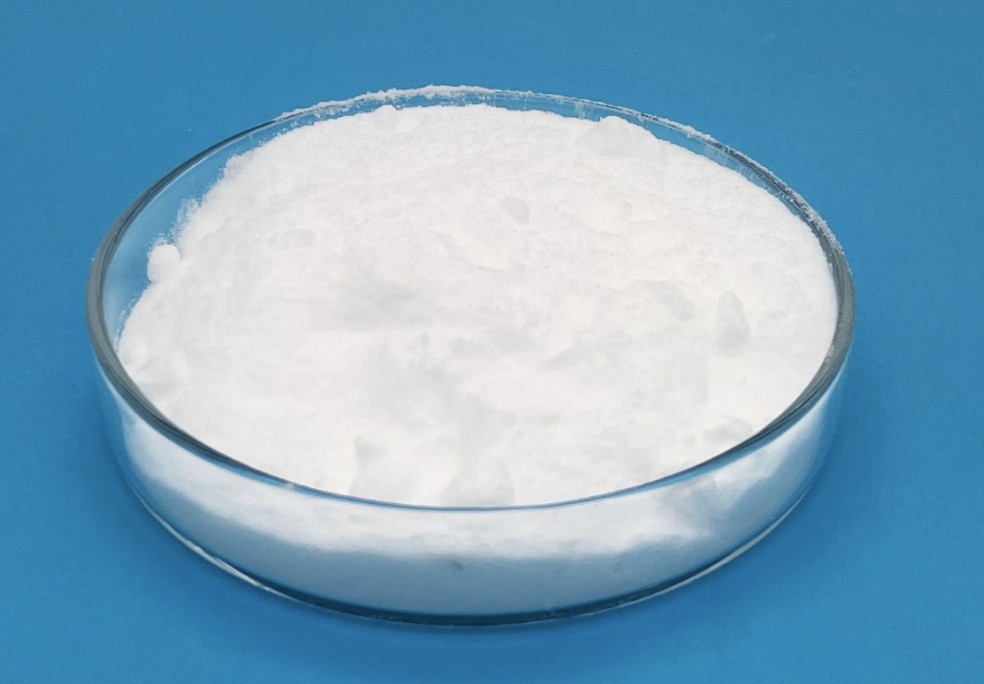
Aussehen: weißes kristallines Pulver
Prilocaine is a local anesthetic of the amino amide type first prepared by Claes Tegner and Nils Lö Fgren.
In seiner injizierbaren Form (trade name Citanest), Es wird häufig in der Zahnheilkunde verwendet. Es wird auch häufig mit Lidocain als Präparat zur Hautanästhesie kombiniert (Lidocain/Prilocain oder EMLA), zur Behandlung von Erkrankungen wie Parästhesien. Da es eine geringe Herztoxizität aufweist, it is commonly used for intravenous regional anaesthesia (IVRA).Prilocaine belongs to amide local anesthetic drug with its anesthesia intensity and speed being similar as lidocaine but with a longer duration period and weaker effect on vasodilation. It has a lower toxicity than lidocaine. It is clinically for local anesthesia, especially suitable for treating patients who are not allowed to use adrenaline.
Anästhesie, lokal- Proparacain und Tetracain sollen bei ophthalmologischen Eingriffen, einschließlich der Messung des Augeninnendrucks, eine kurzzeitige Lokalanästhesie bewirken, Entfernung von Fremdkörpern und Nähten, und Bindehaut- und Hornhautkratzen bei der Diagnose und Gonioskopie.
prilocaine topical cream is used on the skin or in the genital area to cause numbness or loss of feeling before certain medical procedures. It is used to prevent pain caused by an injection, the drawing of blood from a vein, or minor surgeries such as removing warts. This medicine contains a mixture of two topical local anesthetics. Es betäubt die Nervenenden in der Haut. Relieving pain of normal intact skin and numbing skin to pain from injections and other medical procedures. prilocaine cream is a local anesthetic. It works by blocking nerves from transmitting painful impulses to the brain Prilocaine Hydrochloride Injection, USP, 4% is a sterile, non pyrogenic isotonic solution that contains a local anesthetic agent and is administered parenterally by injection. See indications and usage for specific uses.
Prilocaine stabilizes the neuronal membrane by inhibiting the ionic fluxes required for the initiation and conduction of impulses, thereby effecting local anesthetic action.Excessive blood levels may cause changes in cardiac output, total peripheral resistance, and mean arterial pressure. These changes may be attributable to a direct depressant effect of the local anesthetic agent on various components of the cardiovascular system. Prilocaine crosses the blood-brain and placental barriers, presumably by passive diffusion. Factors such as acidosis and the use of CNS stimulants and depressants affect the CNS levels of prilocaine required to produce overt systemic effects. In the rhesus monkey, arterial blood levels of 20 mg/mL have been shown to be the threshold for convulsive activity.