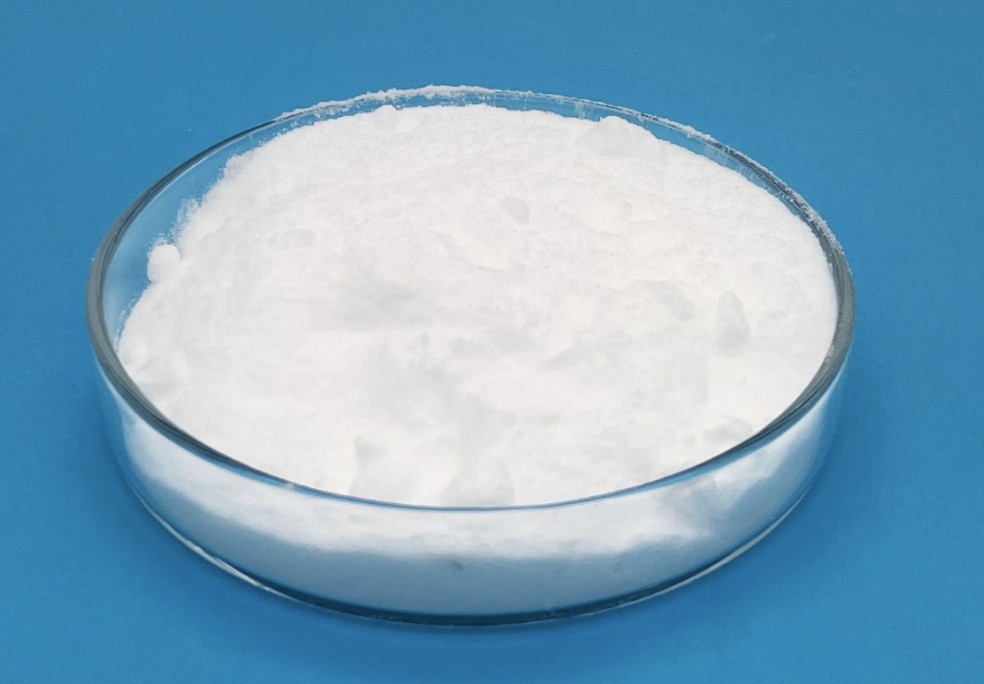
Nomen: Dibucaine Hydrochloride
CAS Non.: 61-12-1
Formulae: C20H30ClN3O2
M. Pondus: 379.98
Synonyma: 4-Quinolinecarboxamide,2-butoxy-N-[2-(diethylamino)ethyl]-, monohydrochloride (9CI*);Cinchoninamide,2-butoxy-N-[2-(diethylamino)ethyl]-, monohydrochloride (8CI*);2-Butoxy-N-(2-diethylaminoethyl)cinchoninamide hydrochloride;2-Butoxy-N-(2-diethylaminoethyl)cinchoninicum acidum amidum hydrochloride;2-n-Butoxy-N-(2-diethylaminoethyl)cinchoninamide hydrochloride;Benzolin (loci Papaver);Cincaine;Cincainus chloride;Cinchocainehydrochloride;Cinchocainium chloridum;Nupercainehydrochloride;Patchwork;Percaine;Percamin S;Sovcain;Sovacaine;
EINECS: 200-498-1
Density: 1.071g/cm3
Liquefactio Point: 99-101 °C(lit.)
Dibucaine hydrochloride est localis anesthetica generis amidi nunc vulgo pro anesthesia superficiali adhibita.. Una est potissima et toxica de anesthetica locali diu agenti eiusque usui parentali restringitur.. Medicamentum impedit et initiatio et conductio impulsuum nervorum decrescendo membranae neuronalis permeabilitatis ad sodium iones.. Hoc reversibly stabilit membranam et vetat depolarizationem, inde per defectum actionis propagatae potentiae et subsequentis conductionis obsidionis.
In compositione sodium dibucaine hydrochloridi administratum canibus ad perniciem inducendam administratur, humanus, sine dolore euthanasiae. Solutio euthanasia toxicus ad truculenter. Animalia euthanizata rite disponi debent ab profundis sepulturae, incineratio vel alius modus in obsequio civitatis et loci leges.
1. Dibucaine hydrochloride est anesthetica localis in medio-type nunc vulgo pro anesthesia superficiali adhibita.. Una est potissima et toxica de anesthetica locali diu agenti eiusque usui parentali restringitur..
2. Medicamentum impedit et initiatio et conductio impulsuum nervorum decrescendo membranae neuronalis permeabilitatis ad sodium iones.. Hoc reversibly stabilit membranam et vetat depolarizationem, inde per defectum actionis propagatae potentiae et subsequentis conductionis obsidionis. In compositione sodium, dibucaine hydrochloride administratur canibus ad incitandum celeri, humanus, sine dolore euthanasiae. Solutio euthanasia toxicus ad truculenter. Animalia euthanizata rite disponi debent ab profundis sepulturae, incineratio, vel aliis modis in obsequio civitatis et loci leges.
| Item |
Standard |
Test Proventus |
| Damnum in siccitate |
≤2.0% |
0.19% |
| Metalla gravis |
≤10 ppm |
<10ppm |
| Aquae |
≤1.0% |
0.10% |
| Cinis sulphated |
≤0.5%, determinari 1.0 g*. |
0.01% |
| Substantiae cognatae |
immunditiae non specificatae: ad invicem immunditiam |
≤0.10% |
<0.10% |
| Summa immunditia |
≤0.5% |
0.18% |
| Puritas |
≥99.0% |
99.70% |
| Assay |
99.0%~101.0% (anhydrous substantia). |
99.80% |
| Microbiologica Analysis |
| Totalis laminam comitem |
≤1000cfu/g* |
Obsequitur |
| Salmonella |
Absens |
Negative |
| Repono |
Serva in bene clausa, lux repugnans et airtight continentia. |
Obsequitur |