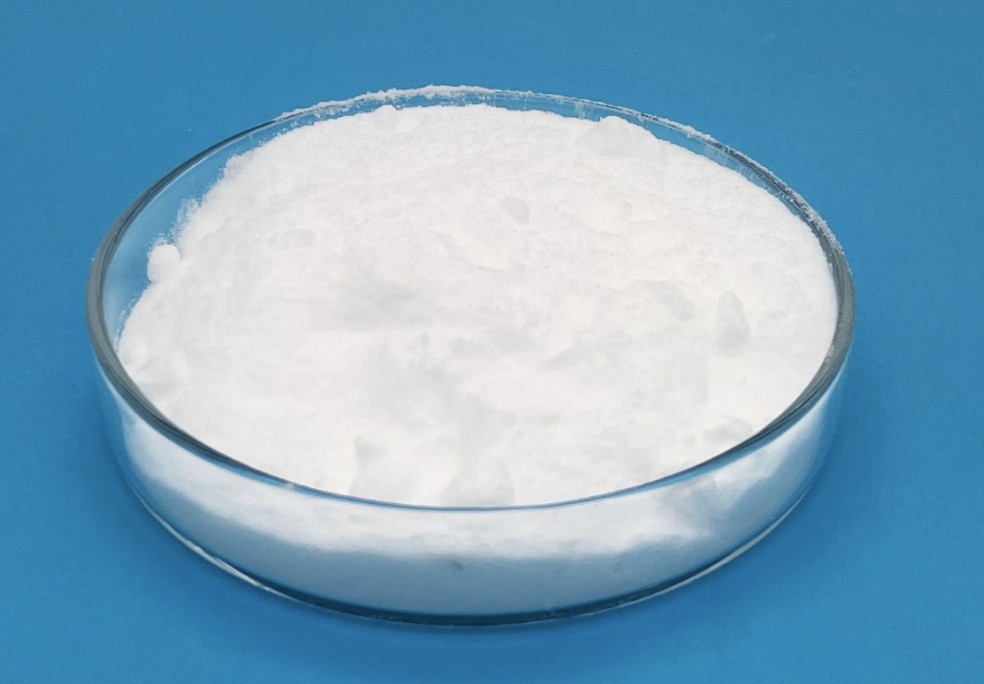
Naam: Dibukaïenhidrochloried
CAS No.: 61-12-1
Formule: C20H30ClN3O2
Molekulêre gewig: 379.98
Sinonieme: 4-Kinolienkarboksamied,2-butoksi-N-[2-(diëtielamino)etiel]-, monohidrochloried (9CI);Cinchoniamide,2-butoksi-N-[2-(diëtielamino)etiel]-, monohidrochloried (8CI);2-Butoksie-N-(2-diethylaminoethyl)sinchoniamied hidrochloried;2-Butoksie-N-(2-diethylaminoethyl)sinchoniensuur amied hidrochloried;2-n-Butoxy-N-(2-diethylaminoethyl)sinchoniamied hidrochloried;Bensolien (plaaslike verdowing);Cincaine;Cincaine chloried;Cinchocainehidrochloried;Cinchocainiumchloried;Nupercainehidrochloried;Laslappiewerk;Percaine;Percamin S;Sovkain;Sovacaine;
EINECS: 200-498-1
Digtheid: 1.071g/cm3
Smeltpunt: 99-101 °C(aangesteek.)
Dibukaïenhidrochloried is 'n plaaslike verdowingsmiddel van die amiedtipe wat nou algemeen gebruik word vir oppervlaknarkose. Dit is een van die kragtigste en mees giftige van die langwerkende plaaslike verdowingsmiddels en die parenterale gebruik daarvan is beperk.. Die middel blokkeer beide die aanvang en geleiding van senuwee-impulse deur die neuronale membraan se deurlaatbaarheid vir natriumione te verminder. Dit stabiliseer die membraan omkeerbaar en inhibeer depolarisasie, wat lei tot die mislukking van 'n voortgeplante aksiepotensiaal en daaropvolgende geleidingblokkade.
In kombinasie word natriumdibukaïenhidrochloried aan honde toegedien om vinnig te induseer, menslik, pynlose genadedood. Die genadedood-oplossing is giftig vir wild. Diere wat doodgemaak is, moet behoorlik weggedoen word deur diep begrawe, verbranding of ander metode in ooreenstemming met staats- en plaaslike wette.
1. Dibukaïenhidrochloried is 'n plaaslike verdowingsmiddel van die amiedtipe wat nou algemeen gebruik word vir oppervlaknarkose. Dit is een van die kragtigste en mees giftige van die langwerkende plaaslike verdowingsmiddels en die parenterale gebruik daarvan is beperk..
2. Die middel blokkeer beide die aanvang en geleiding van senuwee-impulse deur die neuronale membraan se deurlaatbaarheid vir natriumione te verminder. Dit stabiliseer die membraan omkeerbaar en inhibeer depolarisasie, wat lei tot die mislukking van 'n voortgeplante aksiepotensiaal en daaropvolgende geleidingblokkade. In kombinasie natrium, dibukaïenhidrochloried word aan honde toegedien om vinnig te veroorsaak, menslik, pynlose genadedood. Die genadedood-oplossing is giftig vir wild. Diere wat doodgemaak is, moet behoorlik weggedoen word deur diep begrawe, verbranding, of ander metodes in ooreenstemming met staats- en plaaslike wette.
| Item |
Standaard |
Toets resultate |
| Verlies by droog |
≤2,0% |
0.19% |
| Swaar metale |
≤10 dpm |
<10dpm |
| Water |
≤1,0% |
0.10% |
| Gesulfateerde as |
≤0,5%, bepaal op 1.0 g. |
0.01% |
| Verwante stowwe |
Ongespesifiseerde onsuiwerhede: vir elke onreinheid |
≤0,10% |
<0.10% |
| Totale Onreinheid |
≤0,5% |
0.18% |
| Reinheid |
≥99,0% |
99.70% |
| Assay |
99.0%~101,0% (watervrye stof). |
99.80% |
| Mikrobiologiese Analise |
| Totale plaattelling |
≤1000kfu/g |
Voldoen |
| Salmonella |
Afwesig |
Negatief |
| Berging |
Bewaar in goed toegemaak, ligbestande en lugdigte houers. |
Voldoen |