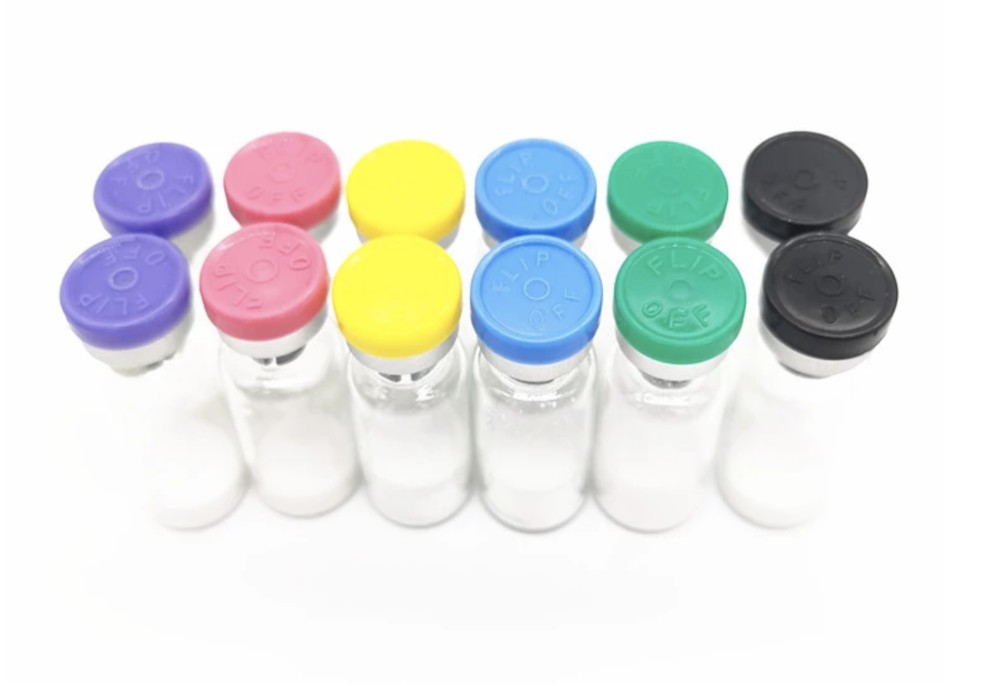
Eledoisin Asetat
CAS Kayıt Numarası: 69-25-0
Seviye: Farmasötik Sınıf
Moleküler Formül: C54H85N13O15S
Molekül Ağırlığı: 1188.44
Saflık (HPLC): 99.0%
Dış görünüş: Beyaz toz
Tek Safsızlık(HPLC): 0.5%
Amino Asit Bileşimi: 10% teorik
Peptit İçeriği(N%): 80%(%N tarafından)
Su İçeriği(Karl Fischer): 6.0%
Asetat İçeriği(HPIC): 15.0%
Eledoisin yumuşakça kökenli bir undekapeptittir., nöropeptitlerin taşikinin ailesine ait.
İlk olarak Eledone muschata ve Eledone aldovandi adlı iki yumuşakça türünün arka tükürük bezlerinden izole edilmiştir., Cephalopoda'nın ahtapot takımına ait olan.
Memeli dışı kaynaklardan elde edilen diğer taşikininler arasında kassinin ve physalaemin bulunur.. Memeli taşikinin maddesi P, ALMAK, ve NKB, memeli olmayanların taşikininleriyle benzer etkilere sahiptir ve daha geniş çapta incelenmiş ve karakterize edilmiştir.. Bu peptitler, vazodilatasyon gibi geniş ve karmaşık bir farmakolojik ve fizyolojik aktivite spektrumu sergiler., hipertansiyon, ve ekstravasküler düz kasların uyarılması.
Eledoisin, pGlu-Pro-Ser-Lys-Asp-Ala-Phe-Ile-Gly-Leu-Met-NH2 amino asit dizisine sahiptir (qPSKDAFIGLM-NH2) pGlu ve q, piroglütamik asit anlamına gelir. Tüm taşikinin peptidleri gibi, Eledoisin aynı konsensüs C-terminal dizisini paylaşıyor, yani, Phe-Xxx-Gly-Leu-Met-NH. değişmez "Phe7" kalıntı muhtemelen reseptör bağlanması için gereklidir. "Xxx" ya aromatiktir (fenilalanin, tirozin) veya dallanmış bir alifatik (valin, izolösin) yan zincirdir ve reseptör seçiciliğinde önemli olduğu düşünülmektedir.. Bu ortak bölge, sıklıkla şu şekilde anılır: "mesaj alanı," reseptörün aktive edilmesinden sorumlu olduğuna inanılmaktadır.. Iraksak N-terminal bölgesi veya "adres alanı" Amino asit dizisi ve uzunluğu bakımından farklılık gösterir ve reseptör alt tipi spesifikliğinin belirlenmesinde rol oynadığına inanılır..