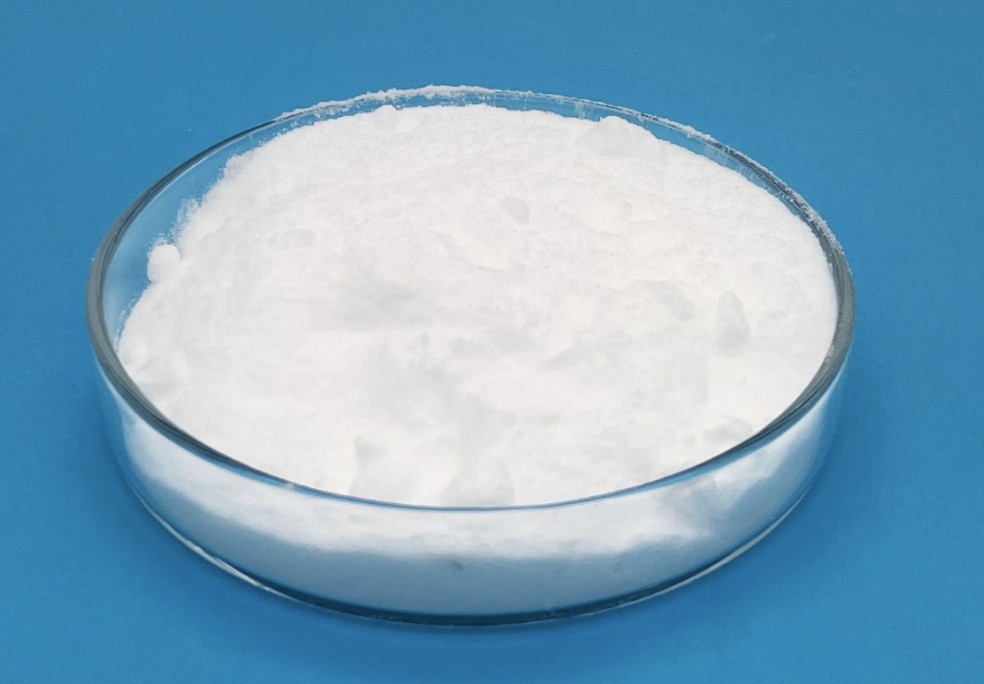
Nombre del producto: lidocaína
Another Name: Xylocaine
CAS:137-58-6
MF:C14H22N2O
megavatio:234.34
Ensayo:99%
Apariencia: polvo blanco
Uso:se puede utilizar para aliviar el dolor
lidocaína, xylocaine, or lignocaine is a common local anesthetic and class-1b antiarrhythmic drug. Lidocaine is used topically to relieve itching, incendio, and pain from skin inflammations, injected as a dental anesthetic, or as a local anesthetic for minor surgery.It is on the World Health Organization's List of Essential Medicines, a list of the most important medications needed in a basic healthcare system.
Lidocaine is the most important class-1b antiarrhythmic drug; it is used intravenously for the treatment of ventricular arrhythmias (for acute myocardial infarction, digoxin poisoning, cardioversion, or cardiac catheterization) if amiodarone is not available or contraindicated.
Lidocaine should be given for this indication after defibrillation, CPR, and vasopressors have been initiated. A routine prophylactic administration is no longer recommended for acute cardiac infarction; the overall benefit of this measure is not convincing.
El perfil de eficacia de la lidocaína como anestésico local se caracteriza por un rápido inicio de acción y una duración intermedia de la eficacia.. Por lo tanto, La lidocaína es adecuada para la infiltración., bloquear, y anestesia de superficie. A veces se da preferencia a sustancias de acción más prolongada, como la bupivacaína, para las anestesias subdurales y epidurales.; lidocaína,aunque, tiene la ventaja de un rápido inicio de acción.
Relative insensitivity to lidocaine is genetic.In hypokalemic sensory overstimulation, relative insensitivity to lidocaine has been described in people who also have attention deficit hyperactivity disorder.In dental anesthesia, Puede producirse una relativa insensibilidad a la lidocaína por razones anatómicas debido a posiciones inesperadas de los nervios.. Algunas personas con síndrome de Ehlers-Danlos son insensibles a la lidocaína.
lidocaína, along with ethanol, ammonia, and acetic acid, has also been proven to be effective in treating jellyfish stings, both numbing the affected area and preventing further nematocyst discharge.
| Artículos probados |
Especificación |
BP2007 |
Resultado |
| Personajes |
White or slightly yellow crystal powder with characteristic odor |
White crystal powder with weak odor |
| Punto de fusión |
Punto de fusión: 66 degree to 70 grado |
66.6 degree-68.5 degree |
| Identificación |
BCDE
Comply with the requirement |
Cumple |
| Aspecto de la solución |
Clear and colorless |
Cumple |
| Agua |
No más que 0.5% |
0.3% |
| Sulfato |
Not more than0. 1% |
Cumple |
| Cloruro |
No más que 0. 0035% |
0.0025% |
| Metales pesados |
No más que 0.002% |
0.001% |
| Residuo en el encendido |
No más que 0.1% |
0.02% |
Impureza
(26-dimethylaniline content) |
No más que 0.01% |
Cumple |
| Ensayo (HPLC) |
99.0%-101.0% |
99.50% |