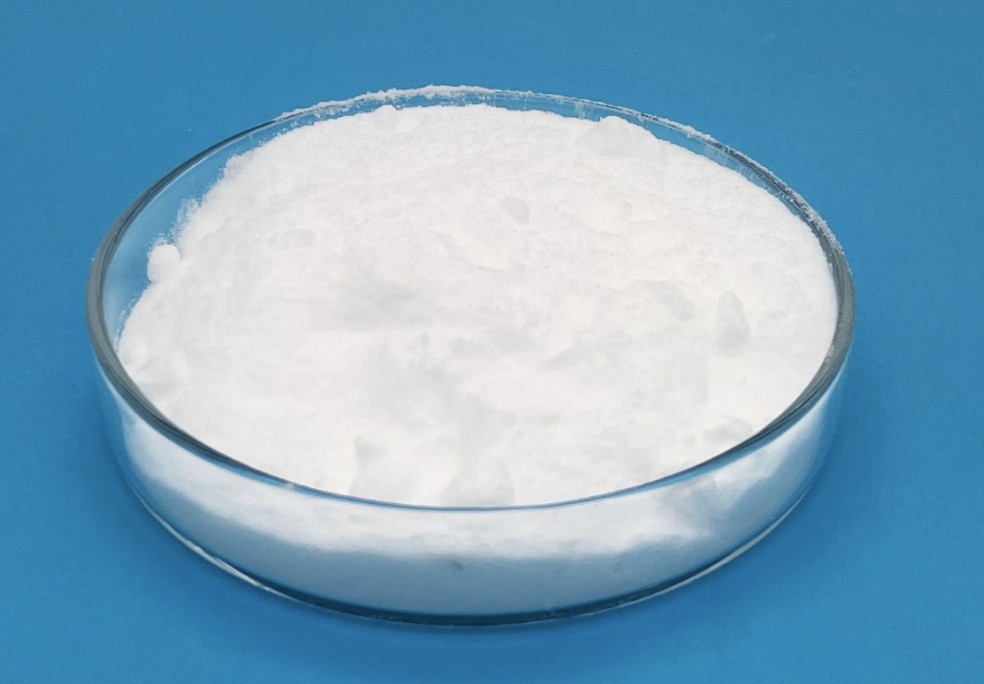
Lidokaina, ksylokaina, lub lignokaina jest powszechnym lekiem miejscowo znieczulającym i antyarytmicznym klasy 1b. Lidokainę stosuje się miejscowo w celu łagodzenia swędzenia, palenie, i ból spowodowany stanami zapalnymi skóry, wstrzykiwany jako środek znieczulający do zębów, lub jako środek znieczulający miejscowo przy drobnych zabiegach chirurgicznych. Znajduje się na Liście Leków Podstawowych Światowej Organizacji Zdrowia, wykaz najważniejszych leków potrzebnych w podstawowym systemie opieki zdrowotnej.
Lidokaina jest najważniejszym lekiem przeciwarytmicznym klasy 1b; stosuje się go dożylnie w leczeniu komorowych zaburzeń rytmu (na ostry zawał mięśnia sercowego, zatrucie digoksyną, kardiowersja, lub cewnikowanie serca) jeśli amiodaron nie jest dostępny lub jest przeciwwskazany.
W tym wskazaniu po defibrylacji należy podać lidokainę, RKO, i włączono leki wazopresyjne. Rutynowe podawanie profilaktyczne nie jest już zalecane w przypadku ostrego zawału serca; ogólne korzyści płynące z tego środka nie są przekonujące.
Profil skuteczności lidokainy jako środka znieczulającego miejscowo charakteryzuje się szybkim początkiem działania i średnim czasem trwania skuteczności. Dlatego, lidokaina nadaje się do infiltracji, blok, i znieczulenie powierzchniowe. W przypadku znieczulenia podtwardówkowego i zewnątrzoponowego czasami preferowane są substancje dłużej działające, takie jak bupiwakaina.; lidokaina,chociaż, Zaletą jest szybki początek działania.
Względna niewrażliwość na lidokainę jest uwarunkowana genetycznie. W przypadku hipokaliemicznej nadmiernej stymulacji sensorycznej, Opisano względną niewrażliwość na lidokainę u osób, u których występuje również zespół nadpobudliwości psychoruchowej z deficytem uwagi. W znieczuleniu stomatologicznym, Względna niewrażliwość na lidokainę może wystąpić z przyczyn anatomicznych w wyniku nieoczekiwanego położenia nerwów. Niektóre osoby z zespołem Ehlersa-Danlosa są niewrażliwe na lidokainę.
Lidokaina, razem z etanolem, amoniak, i kwas octowy, Udowodniono również, że jest skuteczny w leczeniu użądleń meduz, zarówno znieczulające dotknięty obszar, jak i zapobiegające dalszemu wydzielaniu nematocyst.