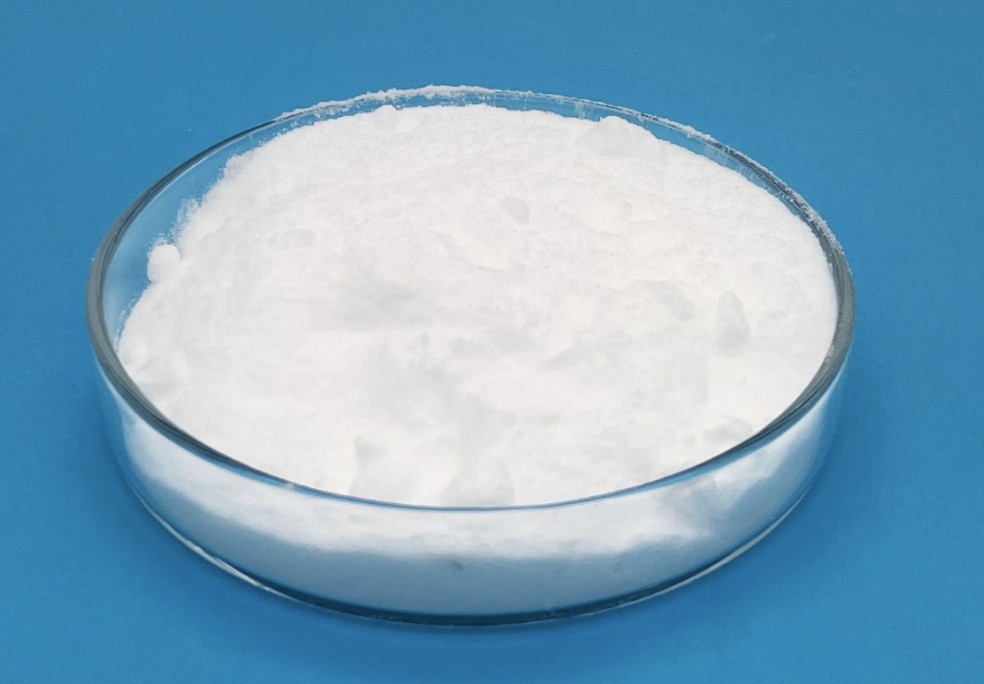
Nome do produto: Lidocaína
Outro nome: Xilocaína
CAS:137-58-6
MF:C14H22N2O
PM:234.34
Ensaio:99%
Aparência: Pó branco
Uso:pode ser usado para aliviar a dor
Lidocaína, xilocaína, ou lidocaína é um anestésico local comum e medicamento antiarrítmico de classe 1b. A lidocaína é usada topicamente para aliviar a coceira, queimando, e dor de inflamações da pele, injetado como anestésico dentário, ou como anestésico local para pequenas cirurgias. Está na Lista de Medicamentos Essenciais da Organização Mundial da Saúde, uma lista dos medicamentos mais importantes necessários em um sistema básico de saúde.
A lidocaína é o medicamento antiarrítmico da classe 1b mais importante; é usado por via intravenosa para o tratamento de arritmias ventriculares (para infarto agudo do miocárdio, envenenamento por digoxina, cardioversão, ou cateterismo cardíaco) se a amiodarona não estiver disponível ou for contraindicada.
A lidocaína deve ser administrada para esta indicação após a desfibrilação, RCP, e vasopressores foram iniciados. Uma administração profilática de rotina não é mais recomendada para infarto cardíaco agudo; o benefício global desta medida não é convincente.
O perfil de eficácia da lidocaína como anestésico local é caracterizado por um rápido início de ação e duração intermediária de eficácia. Portanto, lidocaína é adequada para infiltração, bloquear, e anestesia superficial. Substâncias de ação mais prolongada, como a bupivacaína, às vezes recebem preferência para anestesias subdurais e epidural; lidocaína,no entanto, tem a vantagem de um rápido início de ação.
A insensibilidade relativa à lidocaína é genética. Na superestimulação sensorial hipocalêmica, relativa insensibilidade à lidocaína foi descrita em pessoas que também apresentam transtorno de déficit de atenção e hiperatividade., uma relativa insensibilidade à lidocaína pode ocorrer por razões anatômicas devido a posições inesperadas dos nervos. Algumas pessoas com síndrome de Ehlers-Danlos são insensíveis à lidocaína.
Lidocaína, junto com etanol, amônia, e ácido acético, também provou ser eficaz no tratamento de picadas de água-viva, entorpecendo a área afetada e evitando mais descarga de nematocistos.
| Itens testados |
Especificação |
BP2007 |
Resultado |
| Personagens |
Pó cristalino branco ou ligeiramente amarelo com odor característico |
Pó de cristal branco com odor fraco |
| Ponto de fusão |
Ponto de fusão: 66 grau para 70 grau |
66.6 grau-68,5 graus |
| Identificação |
BCDE
Cumprir o requisito |
Em conformidade |
| Aparência da solução |
Claro e incolor |
Em conformidade |
| Água |
Não mais do que 0.5% |
0.3% |
| Sulfato |
Não mais que 0. 1% |
Em conformidade |
| Cloreto |
Não mais do que 0. 0035% |
0.0025% |
| Metais Pesados |
Não mais do que 0.002% |
0.001% |
| Resíduo na ignição |
Não mais do que 0.1% |
0.02% |
Impureza
(26-teor de dimetilanilina) |
Não mais do que 0.01% |
Em conformidade |
| Ensaio (HPLC) |
99.0%-101.0% |
99.50% |