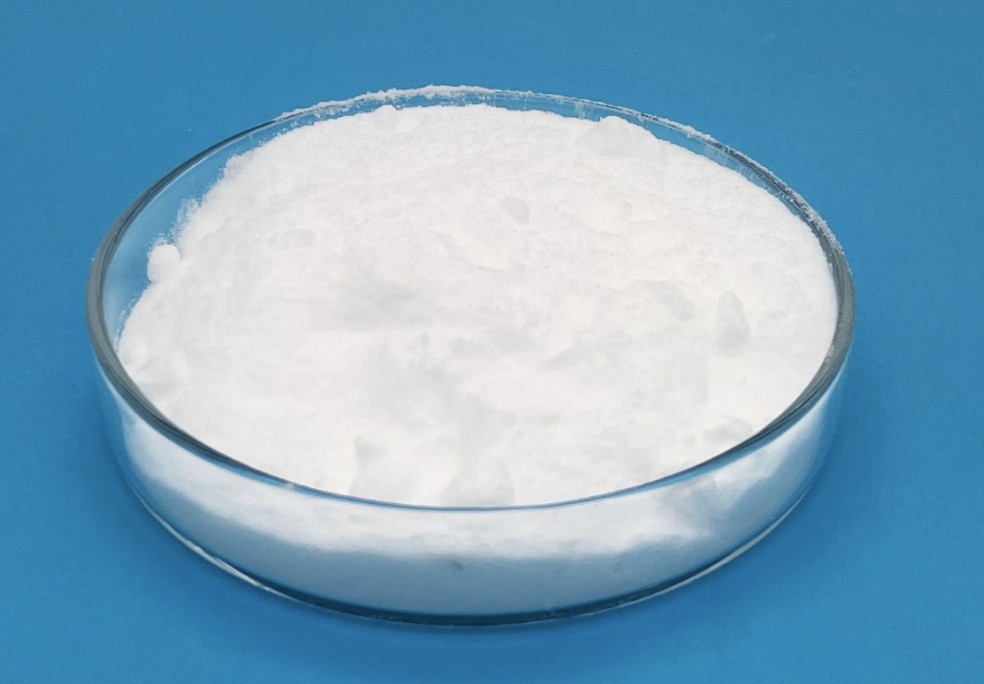
Nome del prodotto: Lidocaina
Un altro nome: Xylocaine
CAS:137-58-6
MF:C14H22N2O
MW:234.34
Analisi:99%
Aspetto: Polvere bianca
Utilizzo:può essere usato per alleviare il dolore
Lidocaina, xylocaine, or lignocaine is a common local anesthetic and class-1b antiarrhythmic drug. Lidocaine is used topically to relieve itching, bruciando, and pain from skin inflammations, injected as a dental anesthetic, or as a local anesthetic for minor surgery.It is on the World Health Organization's List of Essential Medicines, a list of the most important medications needed in a basic healthcare system.
Lidocaine is the most important class-1b antiarrhythmic drug; it is used intravenously for the treatment of ventricular arrhythmias (for acute myocardial infarction, digoxin poisoning, cardioversion, or cardiac catheterization) if amiodarone is not available or contraindicated.
Lidocaine should be given for this indication after defibrillation, CPR, and vasopressors have been initiated. A routine prophylactic administration is no longer recommended for acute cardiac infarction; the overall benefit of this measure is not convincing.
Il profilo di efficacia della lidocaina come anestetico locale è caratterizzato da una rapida insorgenza d’azione e da una durata intermedia dell’efficacia. Perciò, la lidocaina è adatta per l'infiltrazione, bloccare, e anestesia superficiale. Sostanze ad azione prolungata come la bupivacaina vengono talvolta preferite per le anestesie subdurali ed epidurali; lidocaina,Anche se, ha il vantaggio di una rapida insorgenza d’azione.
Relative insensitivity to lidocaine is genetic.In hypokalemic sensory overstimulation, relative insensitivity to lidocaine has been described in people who also have attention deficit hyperactivity disorder.In dental anesthesia, una relativa insensibilità alla lidocaina può verificarsi per ragioni anatomiche dovute a posizioni inaspettate dei nervi. Alcune persone con la sindrome di Ehlers-Danlos sono insensibili alla lidocaina.
Lidocaina, along with ethanol, ammonia, and acetic acid, has also been proven to be effective in treating jellyfish stings, both numbing the affected area and preventing further nematocyst discharge.
| Articoli testati |
Specifica |
BP2007 |
Risultato |
| Caratteri |
White or slightly yellow crystal powder with characteristic odor |
White crystal powder with weak odor |
| Punto di fusione |
Punto di fusione: 66 degree to 70 grado |
66.6 degree-68.5 degree |
| Identificazione |
BCDE
Comply with the requirement |
Conforme |
| Aspetto della soluzione |
Clear and colorless |
Conforme |
| Acqua |
Non più di 0.5% |
0.3% |
| Solfato |
Not more than0. 1% |
Conforme |
| Cloruro |
Non più di 0. 0035% |
0.0025% |
| Metalli pesanti |
Non più di 0.002% |
0.001% |
| Residuo all'accensione |
Non più di 0.1% |
0.02% |
Impurità
(26-dimethylaniline content) |
Non più di 0.01% |
Conforme |
| Analisi (HPLC) |
99.0%-101.0% |
99.50% |