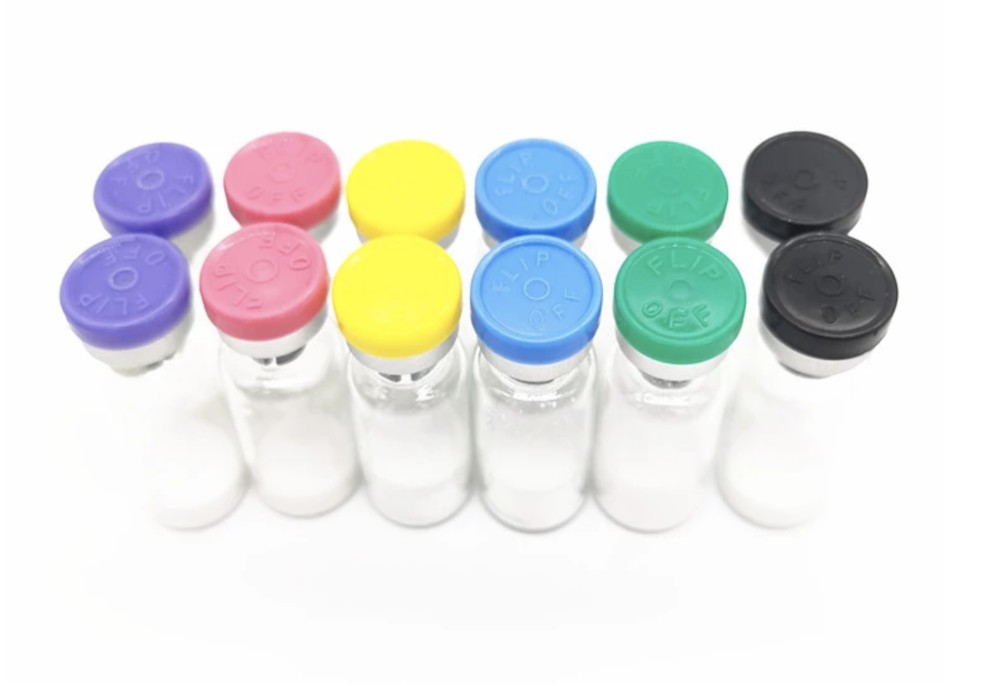
Octan karbetocyny
Sekwencja: Butyryl-Tyr(Ja)-Ile-Gln-Asn-Cys-Pro-Leu-Gly-NH2 (Wiązanie siarczkowe pomiędzy Butyrylo-4-ylem i Cys)
CAS: 37025-55-1
Wygląd: Biały proszek
EINECS: 253-312-6
M.F.: C45H69N11O12S
M.W.: 988.17
Specyficzna rotacja optyczna D(c=1,1% HAc): -38.0~-42.0°
Zawartość wody(Karola Fischera): ≤5,0%
Zawartość octanu(metodą HPLC): ≤12,0%
Skład aminokwasów: ±10% wartości teoretycznej
Czystość (metodą HPLC): ≥98,0%
Pojedyncza nieczystość(metodą HPLC): ≤1,0%
Zawartość peptydów(o N%): ≥80%
Analiza(Przez Bezwodny, Nie zawiera kwasu octowego ): 97.0~103,0%
Endotoksyny bakteryjne: ≤5EU/mg
Stosowanie:An obstetric drug used to control postpartum hemorrhaging.
Carbetocin (KARCZMA, ZAKAZ) (brand names Duratocin, Pabal, Lonactene, Depotocin, Comoton, Decomoton), or 1-butanoic acid-2-(O-methy-L-tyrosine)-1-carbaoxytocin, is an oxytocic used in obstetrics to control postpartum hemorrhage and bleeding after giving birth, particularly following Cesarean section. It is an eight amino acid long analogue of oxytocin (a nonapeptide) I, zgodnie, has a similar action. Carbetocin primarily agonizes peripherally expressed oxytocin receptors.
Carbetocin is an oxytocic used in obstetrics to control postpartum hemorrhage and bleeding after giving birth, particularly following Cesarean section. It is an eight amino acid long analogue of oxytocin (a nonapeptide) I, zgodnie, has a similar action. Carbetocin primarily agonizes peripherally expressed oxytocin receptors.