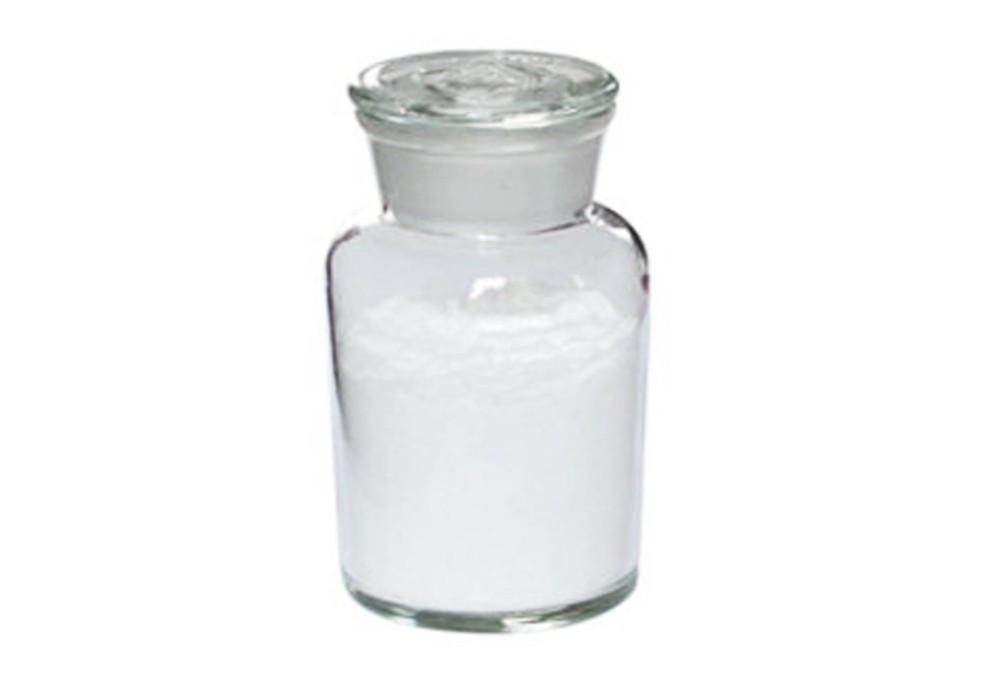
Nome: Acetonido de fluocinolona
Nº CAS: 67-73-2
Fórmula: C24H30F2O6
Peso molecular: 452.54
Sinônimos: Pregna-1,4-dieno-3,20-diona,6um,9-difluoro-11b,16um,17,21-tetrahidroxi-, 16,17-acetal cíclico com acetona(6IC,8IC); 6um,9a-Difluoro-16a,17a-isopropilidenodioxi-D1-hidrocortisona;6um,9a-Difluoro-16a-hidroxiprednisolona16,17-acetonido;6Acetonido de a-fluorotriamcinolona; Corifado;Cortiplastol;Dermas;Dermatina;Dermatina (esteroide);Fluocinolona 16,17-acetonido;Fluovitef;Fluviano;gelatina;Localyn;NSC 92339;Percutina;Sinaflan;apontar;
EINECS: 200-668-5
Densidade: 1.36 g/cm3
Ponto de fusão: 267-269 °C(aceso.)
Ponto de ebulição: 578.5 °C em 760 mmHg
Ponto de inflamação: 303.7 °C
Acetonido de fluocinolona é um corticosteróide usado principalmente em dermatologia para reduzir a inflamação da pele e aliviar a coceira. É um derivado sintético da hidrocortisona. A substituição de flúor na posição 9 no núcleo esteróide aumenta muito sua atividade. Foi sintetizado pela primeira vez em 1959 no Departamento de Pesquisa dos Laboratórios Syntex S.A.. Cidade do México. As preparações que o contêm foram comercializadas pela primeira vez sob o nome Synalar. Uma dosagem típica usada em dermatologia é 0.01-0.025%. Um desses cremes é vendido sob a marca Flucort-N e inclui a antibiótica neomicina..
Descobriu-se também que o acetonido de fluocinolona potencializa fortemente a condrogênese associada ao TGF-β de células-tronco / progenitoras mesenquimais da medula óssea, aumentando os níveis de colágeno tipo II em mais de 100 vezes em comparação com a dexametasona amplamente utilizada.