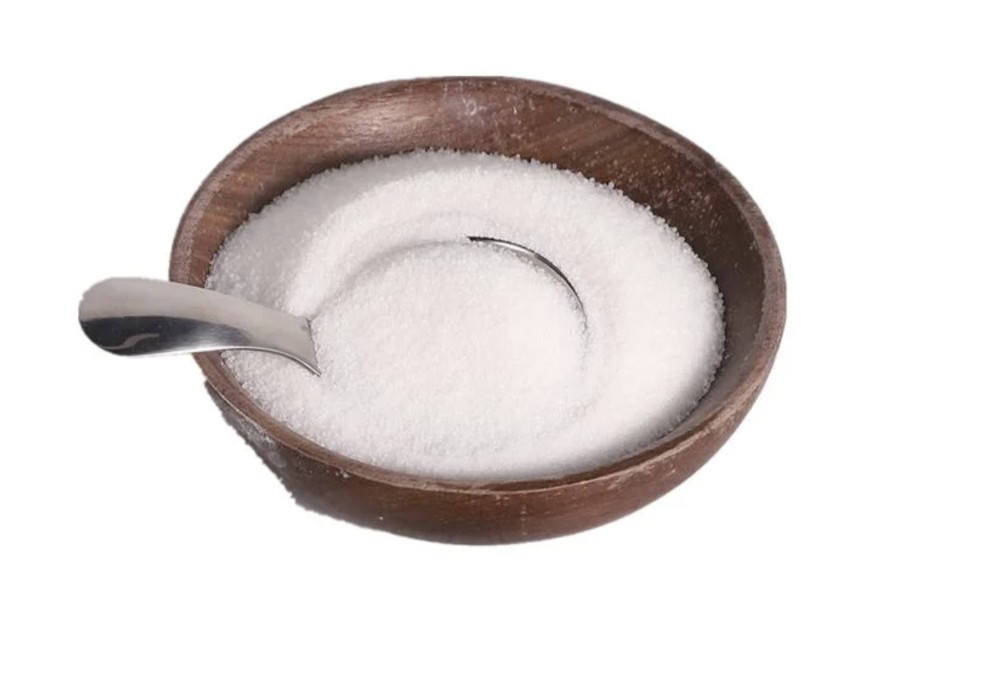
fenacetina, un analgésico, Fue la primera droga farmacéutica sintética del mundo.. Fue uno de los primeros analgésicos que no derivaba del opio y al mismo tiempo carecía de cualidades antiinflamatorias.. La fenacetina fue desarrollada en 1878 por un químico americano, Harmon Northrop Morse. Se introdujo en el mercado farmacéutico en 1887. Sin embargo, fue retirado en 1983 en los Estados Unidos debido a niveles inaceptables de nefritis intersticial en pacientes y riesgos potenciales de tumorigenicidad. Como en estados unidos, La mayoría de los países occidentales no prohibieron la comercialización de fenacetina hasta 1983. La fenacetina es un componente de APC. (aspirina-fenacetina-cafeína).
La fenacetina se utilizó ampliamente hasta el tercer cuarto del siglo XX., a menudo en forma de "APC" o analgésico compuesto de aspirina, fenacetina y cafeína, como remedio para la fiebre y el dolor. Una formulación temprana (1919) era el APC de Vincent en Australia. Sin embargo, EE.UU.. La Administración de Alimentos y Medicamentos ordenó la retirada de medicamentos que contienen fenacetina en noviembre 1983, debido a sus propiedades cancerígenas y dañinas para los riñones (Registro Federal de octubre 5, 1983 (48 FR 45466)). También fue prohibido en la India. Como resultado, algunas marcas, anteriormente se siguieron vendiendo preparados a base de fenacetina, pero con la fenacetina reemplazada por alternativas más seguras. Una marca popular de fenacetina era Saridon de Roche., que fue reformulado en 1983 contener propifenazona, paracetamol y cafeina. Coricidina también fue reformulada sin fenacetina. El paracetamol es un metabolito de la fenacetina con efectos analgésicos y antipiréticos similares., pero no se ha descubierto que la nueva formulación tenga la carcinogenicidad de la fenacetina..