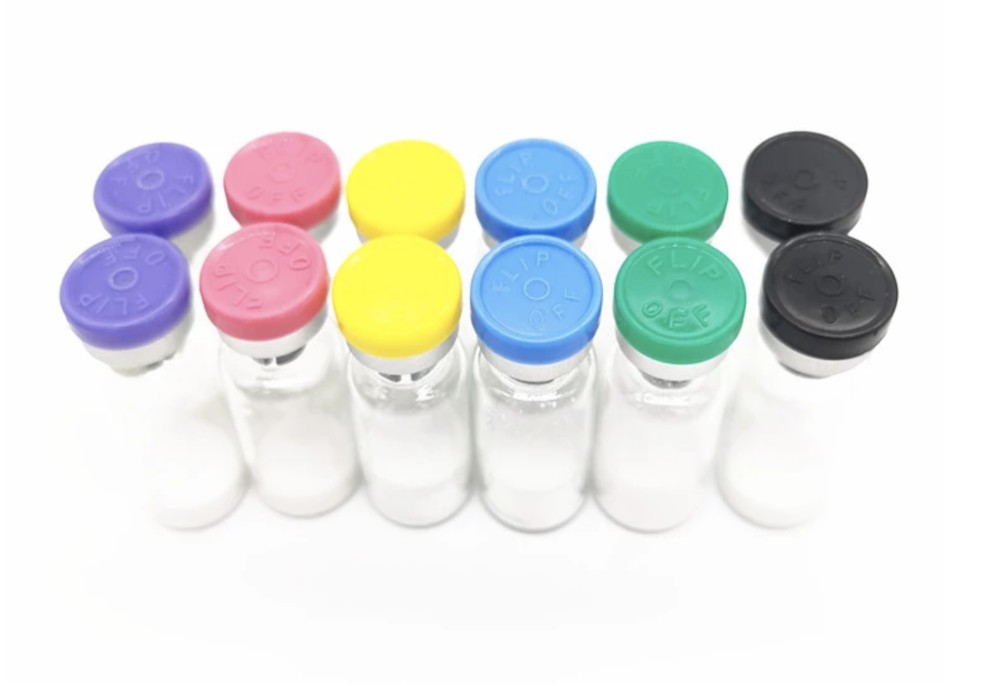
Nomen: Lixisenatide Acetate
Cas No: 827033-10-3
Formulae: C215H347N61O65S
Molecular: 4858.56
Sequentia:H. Gly-Glu-Gly Thr Phe-Ser-Asp-Leu-Ser-Lys-Gln-Met-Glu-Glu-Ala-Val-Arg-Leu-Phe- Ile-Glu-Trp-Leu-Lys-Asn-Gly-Gly-Pro Ser-Ser-Gly Ala-Pro Pro Ser-Lys-Lys-Lys-Lys-Lys-Lys-NH₂ acetate sal
Puritas:98%
Aspectus: cerussa
Source: synthetica
Etiam ut Lyxumia,ZP10A peptide, AQVE-10010,ZP10,DesPro36 Exendin-4(1-39)-Lys6-NH2
Lixisenatide est exenatide actis GLP-1 agonista semel injecta cotidie ad imperium glycemicum in adulta diabete II.. In myocardial ischemia-reperfusion studia iniuriarum cum muribus, et cardioprotective actio demonstrari. Ceterum, administratio lixisenatide servata memoriae locali et medicamento synaptico ab amyloidea β interdum inducta.. Oblatum sub Bolar vacatio: APIs omnes, qui pro evolutione productorum medicamentorum venditantur adhuc patentibus tuti offeruntur, solum sub Bolar vacatio. Hoc disclaimer: Haec producta offeruntur et venduntur in modicis tantum et unice pro usibus rationabiliter relatis ad iudicia et studia privilegiata pro obtinenda licentia iure praescripta. (Bolaris vacatio). Bachem obstrictus non potest ob aliquam praeiudicio iurium intellectualium proprietatum. It is the sole and only responsibility of the purchaser or user of these products to comply with the relevant national rules and regulations.
Lixisenatide acts as an agonist at the GLP-1 receptor. In the pancreas, this agonism results in increased glucose-stimulated insulin exocytosis by beta islet cells. This produces a reduction in blood glucose due to increased glucose uptake by tissues 1. GLP-1 receptor activation in the GI tract results in delayed gastric emptying which is thought to mediate the effects of lixisenatide on postprandial blood glucose.
The activation of the GLP-1 receptor by lixisenatide results in the activation of adenylyl cyclase [19193]. This increases the concentration of cyclic adenosine monophosphate in the cell leading to the activation of protein kinase A (PKA) tum Epac1 et Epac2. PKA, Epac1, et Epac2 implicantur in emissione Ca2+ ab reticulo endoplasmico quod notum est the "amplificatio" semita quae augetur insulinum emissio quando excitato tramitem reducitur. Per hanc amplificationem activum iter lixisenatidis auget glucose excitatum insulinum secretio.