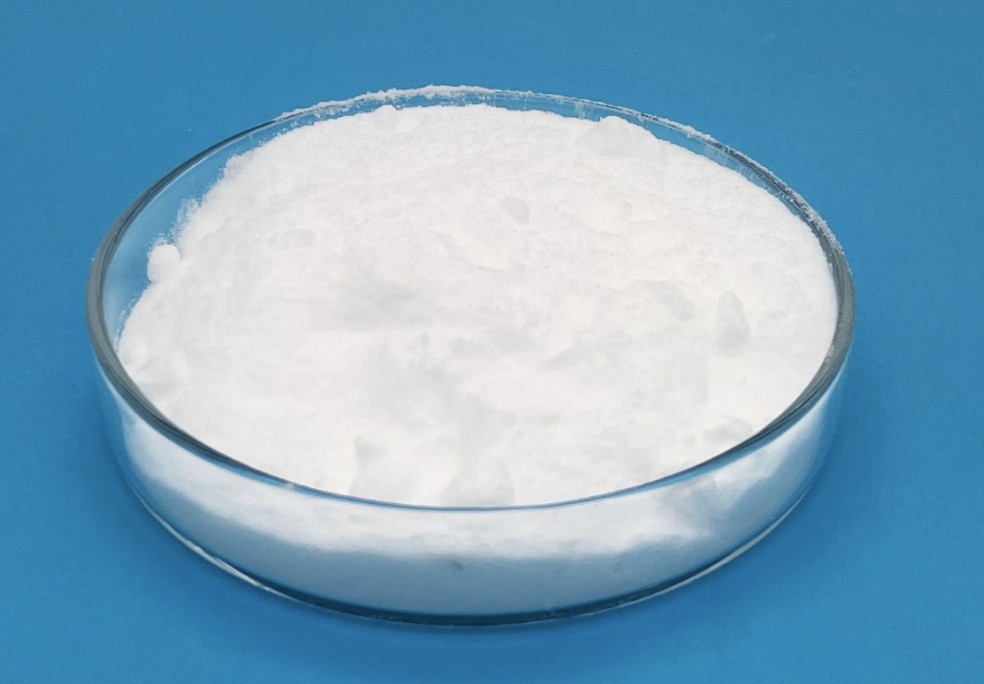
Tetrakain (VÄRDSHUS, även känd som ametokain; handelsnamn Pontocaine. Ametop och Dicaine) är ett potent lokalbedövningsmedel av estergruppen. Det används främst lokalt inom oftalmologi och som klådstillande medel, och det har använts vid spinalbedövning.
Inom biomedicinsk forskning, tetrakain används för att ändra funktionen hos kalciumfrisättningskanaler (ryanodinreceptorer) som kontrollerar frisättningen av kalcium från intracellulära förråd. Tetrakain är en allosterisk blockerare av kanalfunktion. Vid låga koncentrationer, tetrakain orsakar en initial hämning av spontana kalciumfrisättningshändelser, vid höga koncentrationer, tetrakainblocken frigörs helt.
Tetracaine HCL syntetiseras från 4-butylaminobensoesyra. Etylestern bildas genom en syrakatalyserad förestringsreaktion.
Tetracaine Hcl är ett potent lokalbedövningsmedel av estergruppen. Det används främst lokalt inom oftalmologi och som ett klådstillande medel,och det har använts vid spinalbedövning.
Tetrakainhydroklorid är indicerat för produktion av spinalbedövning för ingrepp som kräver två till tre timmar.
Effektprofilen för lidokain som lokalbedövningsmedel kännetecknas av ett snabbt insättande av verkan och en mellanliggande effektlängd. Därför, lidokain är lämpligt för infiltration, blockera, och ytbedövning. Längre verkande substanser som bupivakain ges ibland företräde för subdural och epidural anestesi; lidokain,fast, har fördelen av ett snabbt insättande av verkan.
Vid tandbedövning, en relativ okänslighet för lidokain kan uppstå av anatomiska skäl på grund av oväntade nervpositioner. Vissa personer med Ehlers-Danlos syndrom är okänsliga för lidokain.