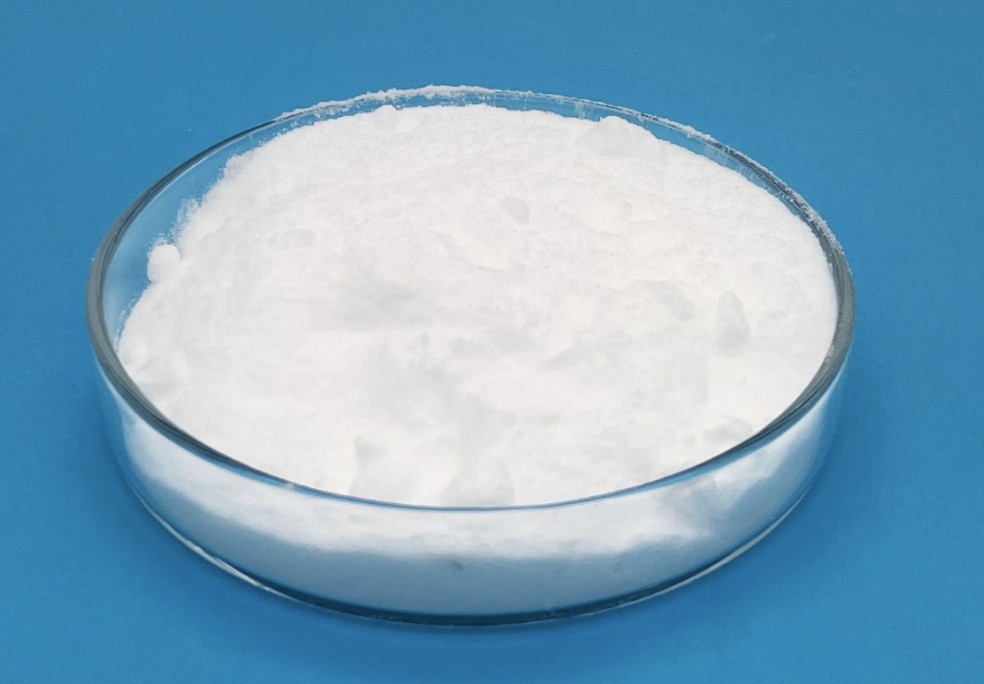
Nome del prodotto: Tetracaina cloridrato
Sinonimi: Tetracaina HCL
CAS: 136-47-0
MF: C15H25ClN2O2
MW: 300.82
EINECS: 205-248-5
mp: 149°C
temperatura di conservazione: Frigorifero
Aspetto: Solido bianco
Utilizzo: Anestetico locale; Utilizzato principalmente nell'anestesia della mucosa. La funzione è più forte della procaina e della lidocaina.
Tetracaina (LOCANDA, noto anche come ametocaina; nome commerciale Pontocaine. Ametop e Dicaine) è un potente anestetico locale del gruppo estere. Viene utilizzato principalmente per via topica in oftalmologia e come antipruriginoso, ed è stato utilizzato nell'anestesia spinale.
Nella ricerca biomedica, la tetracaina viene utilizzata per alterare la funzione dei canali di rilascio del calcio (recettori della rianodina) che controllano il rilascio di calcio dai depositi intracellulari. La tetracaina è un bloccante allosterico della funzione del canale. A basse concentrazioni, la tetracaina provoca un'iniziale inibizione degli eventi spontanei di rilascio del calcio, mentre ad alte concentrazioni, i blocchi di tetracaina vengono rilasciati completamente.
La tetracaina HCL è sintetizzata dall'acido 4-butilamminobenzoico. L'estere etilico si forma attraverso una reazione di esterificazione catalizzata da acido.
La tetracaina Hcl è un potente anestetico locale del gruppo estere. Viene utilizzato principalmente per via topica in oftalmologia e come antipruriginoso,ed è stato utilizzato nell'anestesia spinale.
La tetracaina cloridrato è indicata per la produzione di anestesia spinale per procedure che richiedono due o tre ore.
Il profilo di efficacia della lidocaina come anestetico locale è caratterizzato da una rapida insorgenza d’azione e da una durata intermedia dell’efficacia. Perciò, la lidocaina è adatta per l'infiltrazione, bloccare, e anestesia superficiale. Sostanze ad azione prolungata come la bupivacaina vengono talvolta preferite per le anestesie subdurali ed epidurali; lidocaina,Anche se, ha il vantaggio di una rapida insorgenza d’azione.
Nell'anestesia dentale, una relativa insensibilità alla lidocaina può verificarsi per ragioni anatomiche dovute a posizioni inaspettate dei nervi. Alcune persone con la sindrome di Ehlers-Danlos sono insensibili alla lidocaina.