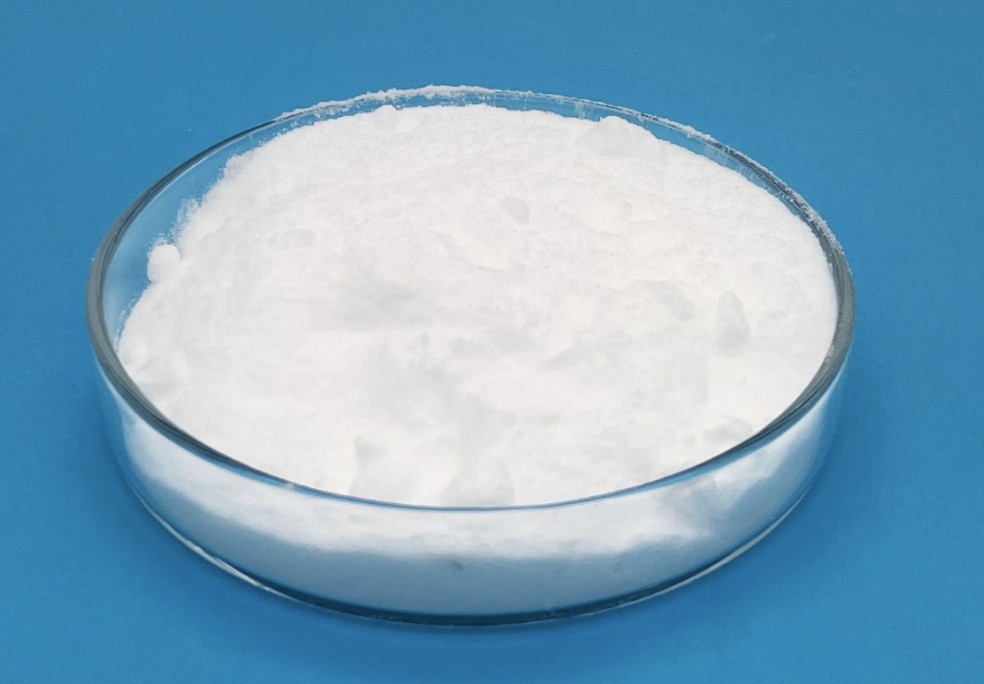
Име на продукта: Тетракаин хидрохлорид
Синоними: Тетракаин HCL
CAS: 136-47-0
MF: C15H25ClN2O2
MW: 300.82
EINECS: 205-248-5
т.т: 149°C
температура на съхранение: Хладилник
Външен вид: Бяло твърдо вещество
Използване: Местен анестетик; Използва се главно при анестезия на лигавиците. Функцията е по-силна от прокаина и лидокаина.
Тетракаин (ИНН, известен също като аметокаин; търговско име Pontocaine. Аметоп и дикаин) е мощен локален анестетик от естерната група. Използва се предимно локално в офталмологията и като средство против сърбеж, и се използва при спинална анестезия.
В биомедицинските изследвания, тетракаин се използва за промяна на функцията на каналите за освобождаване на калций (рианодинови рецептори) които контролират освобождаването на калций от вътреклетъчните депа. Тетракаинът е алостеричен блокер на функцията на каналите. При ниски концентрации, тетракаин предизвиква първоначално инхибиране на събитията на спонтанно освобождаване на калций, докато при високи концентрации, тетракаинът блокира пълното освобождаване.
Tetracaine HCL се синтезира от 4-бутиламинобензоена киселина. Етиловият естер се образува чрез реакция на естерификация, катализирана от киселина.
Tetracaine Hcl е мощен локален анестетик от естерната група. Използва се главно локално в офталмологията и като средство против сърбеж,и се използва при спинална анестезия.
Тетракаин хидрохлорид е показан за производство на спинална анестезия за процедури, изискващи два до три часа.
Профилът на ефикасност на лидокаина като локален анестетик се характеризира с бързо начало на действие и междинна продължителност на ефикасност. Следователно, лидокаинът е подходящ за инфилтрация, блок, и повърхностна анестезия. По-продължително действащи вещества като бупивакаин понякога се предпочитат при субдурална и епидурална анестезия; лидокаин,все пак, има предимството на бързо начало на действие.
При дентална анестезия, може да възникне относителна нечувствителност към лидокаин по анатомични причини поради неочаквани позиции на нервите. Някои хора със синдром на Ehlers-Danlos са нечувствителни към лидокаин.