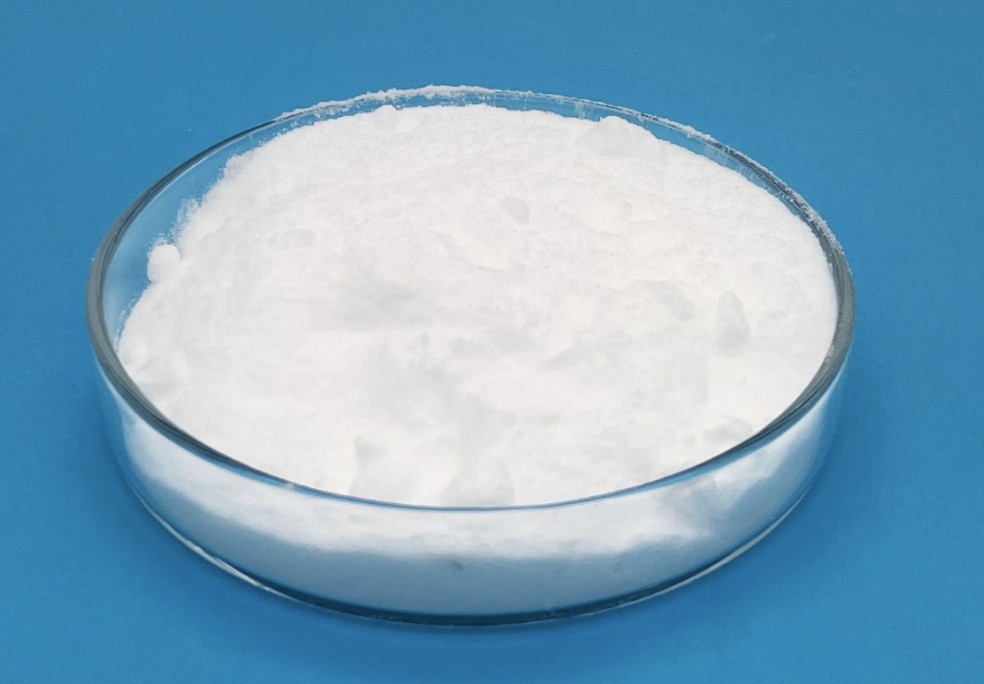
Nazwa produktu: Chlorowodorek tetrakainy
Synonimy: Tetrakaina HCL
CAS: 136-47-0
MF: C15H25ClN2O2
MW: 300.82
EINECS: 205-248-5
mp: 149°C
temperatura przechowywania: Lodówka
Wygląd: Białe ciało stałe
Stosowanie: Znieczulenie miejscowe; Stosowany głównie w znieczuleniu błony śluzowej. Funkcja jest silniejsza niż prokaina i lidokaina.
Tetrakaina (KARCZMA, znana również jako ametokaina; nazwa handlowa Pontocaine. Ametop i Dikaina) jest silnym środkiem miejscowo znieczulającym z grupy estrowej. Stosowany jest głównie miejscowo w okulistyce i jako środek przeciwświądowy, i był stosowany w znieczuleniu rdzeniowym.
W badaniach biomedycznych, tetrakainę stosuje się w celu zmiany funkcji kanałów uwalniania wapnia (receptory rianodyny) które kontrolują uwalnianie wapnia z zapasów wewnątrzkomórkowych. Tetrakaina jest allosterycznym blokerem funkcji kanałów. Przy niskich stężeniach, tetrakaina powoduje początkowe hamowanie spontanicznego uwalniania wapnia, podczas gdy w wysokich stężeniach, Bloki tetrakainowe uwalniają się całkowicie.
Tetrakaina HCL jest syntetyzowana z kwasu 4-butyloaminobenzoesowego. Ester etylowy powstaje w reakcji estryfikacji katalizowanej kwasem.
Tetrakaina Hcl jest silnym miejscowym środkiem znieczulającym z grupy estrowej. Stosowana jest głównie miejscowo w okulistyce oraz jako środek przeciwświądowy.,i był stosowany w znieczuleniu rdzeniowym.
Chlorowodorek tetrakainy jest wskazany do wytwarzania znieczulenia kręgosłupa przy zabiegach wymagających od dwóch do trzech godzin.
Profil skuteczności lidokainy jako środka znieczulającego miejscowo charakteryzuje się szybkim początkiem działania i średnim czasem trwania skuteczności. Dlatego, lidokaina nadaje się do infiltracji, blok, i znieczulenie powierzchniowe. W przypadku znieczulenia podtwardówkowego i zewnątrzoponowego czasami preferowane są substancje dłużej działające, takie jak bupiwakaina.; lidokaina,chociaż, Zaletą jest szybki początek działania.
W znieczuleniu stomatologicznym, Względna niewrażliwość na lidokainę może wystąpić z przyczyn anatomicznych w wyniku nieoczekiwanego położenia nerwów. Niektóre osoby z zespołem Ehlersa-Danlosa są niewrażliwe na lidokainę.