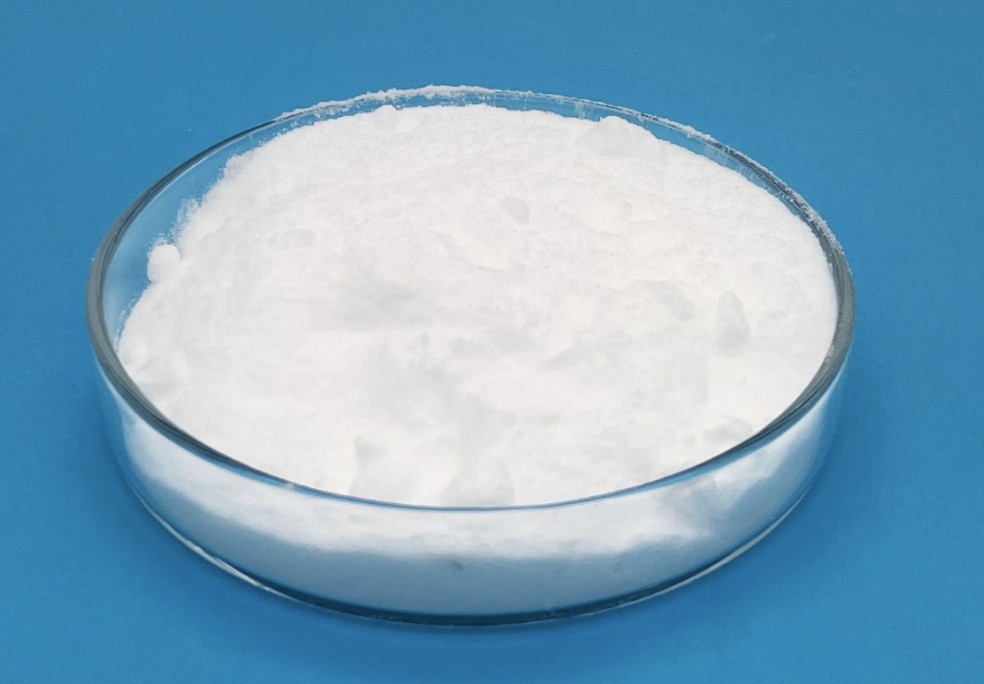
Mepivakainhydroklorid, en tertiär amin som används som lokalbedövningsmedel, är 1-metyl-2', 6' - pipecoloxylidid monohydroklorid.
Ett lokalbedövningsmedel som är kemiskt relaterat till bupivakain men farmakologiskt relaterat till lidokain. Det är indicerat för infiltration, nervblockad, och epiduralbedövning. Mepivakain är effektivt lokalt endast i stora doser och bör därför inte användas på detta sätt.
Mepivicaine är ett lokalbedövningsmedel av amidtyp. Mepivicaine som ett ganska snabbt insättande och medellång varaktighet och är känt under de egna namnen som Carbocaine och Polocaine. Mepivicaine används vid lokal infiltration och regional anestesi. Systemisk absorption av lokalanestetika ger effekter på det kardiovaskulära och centrala nervsystemet. Vid blodkoncentrationer som uppnås med normala terapeutiska doser, förändringar i hjärtats ledning, excitabilitet, eldfasthet, kontraktilitet, och perifert vaskulärt motstånd är minimalt.
Mupivacaine hydrochloride to stabilize the neuronal membrane, to prevent the occurrence and spread of nerve impulses, and thus local anesthesia.
The rapid metabolism of mepivacaine hydrochloride, only a small part of the anesthetic (5% till 10%) excretion in the urine unchanged. Methapine is not detoxified by circulating plasma esterase because of its amide structure. The liver is the main site of metabolism, more than 50% of the dose as a metabolite is excreted into the bile. Most metabolized mepivacaine may be absorbed in the intestine and then excreted into the urine because only a small fraction is found in the feces.
The main way to excrete is through the kidneys. Most anesthetics and their metabolites are eliminated within 30 timmar. It has been shown that hydroxylation and N-demethylation as detoxification play an important role in the metabolism of anesthetics. Three metabolites of mepivacaine have been identified from adults: two phenols are almost completely excreted as glucuronide conjugates, and N-demethylated compounds (2 & apos;, 6 & apos; Oxygen).