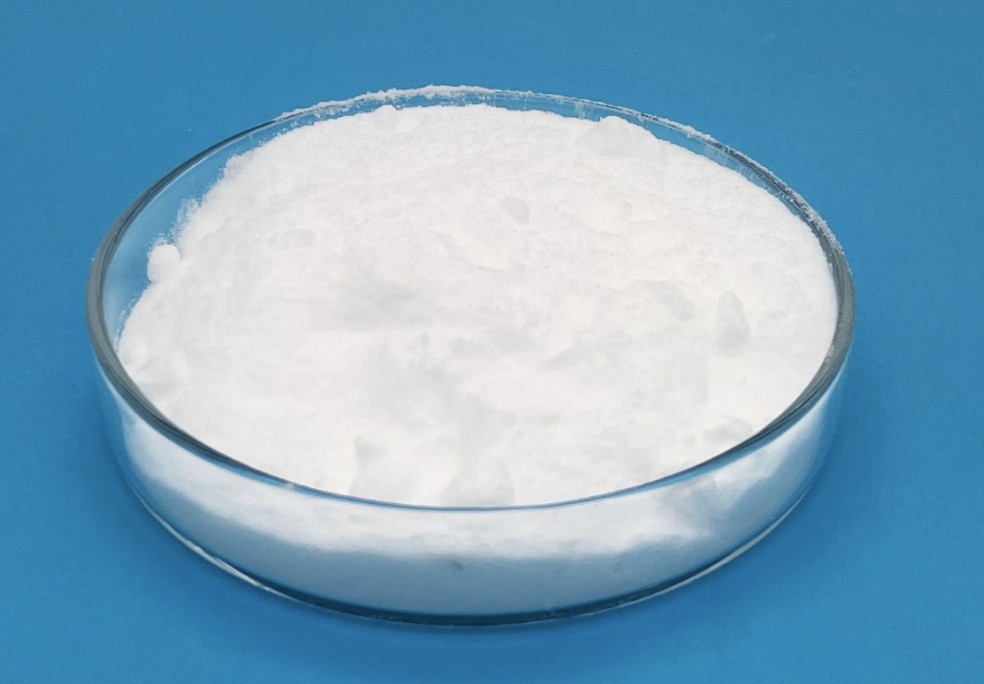
Mepivacaine Hydrochloride, a tertiary amine used as a local anesthetic, is 1-methyl-2', 6' - pipecoloxylidide monohydrochloride.
A local anesthetic that is chemically related to bupivacaine but pharmacologically related to lidocaine. It is indicated for infiltration, blokada nerwowa, and epidural anesthesia. Mepivacaine is effective topically only in large doses and therefore should not be used by this route.
Mepiwikaina jest miejscowym środkiem znieczulającym typu amidowego. Mepiwikaina ma dość szybki początek i średni czas trwania i jest znana pod zastrzeżonymi nazwami jako Carbocaine i Polocaine. Mepiwikainę stosuje się w miejscowym znieczuleniu nasiękowym i regionalnym. Ogólnoustrojowe wchłanianie środków znieczulających miejscowo wywiera wpływ na układ sercowo-naczyniowy i ośrodkowy układ nerwowy. Przy stężeniach we krwi osiąganych przy normalnych dawkach terapeutycznych, zmiany w przewodzeniu serca, pobudliwość, krnąbrność, kurczliwość, i obwodowy opór naczyniowy są minimalne.
Chlorowodorek mupiwakainy stabilizujący błonę neuronalną, aby zapobiec występowaniu i rozprzestrzenianiu się impulsów nerwowych, i tym samym znieczulenie miejscowe.
Szybki metabolizm chlorowodorku mepiwakainy, tylko niewielka część środka znieczulającego (5% Do 10%) wydalanie z moczem w niezmienionej postaci. Metapina nie jest detoksykowana przez krążącą w osoczu esterazę ze względu na jej strukturę amidową. Wątroba jest głównym miejscem metabolizmu, ponad 50% dawki w postaci metabolitu jest wydalana z żółcią. Większość metabolizowanej mepiwakainy może zostać wchłonięta w jelitach, a następnie wydalona z moczem, ponieważ tylko niewielka jej część znajduje się w kale.
Główną drogą wydalania są nerki. Większość środków znieczulających i ich metabolitów jest eliminowana wewnątrz organizmu 30 godziny. Wykazano, że hydroksylacja i N-demetylacja w procesie detoksykacji odgrywają ważną rolę w metabolizmie środków znieczulających. U dorosłych zidentyfikowano trzy metabolity mepiwakainy: dwa fenole są prawie całkowicie wydalane w postaci koniugatów glukuronidowych, i związki N-demetylowane (2 & apos;, 6 & apos; Tlen).