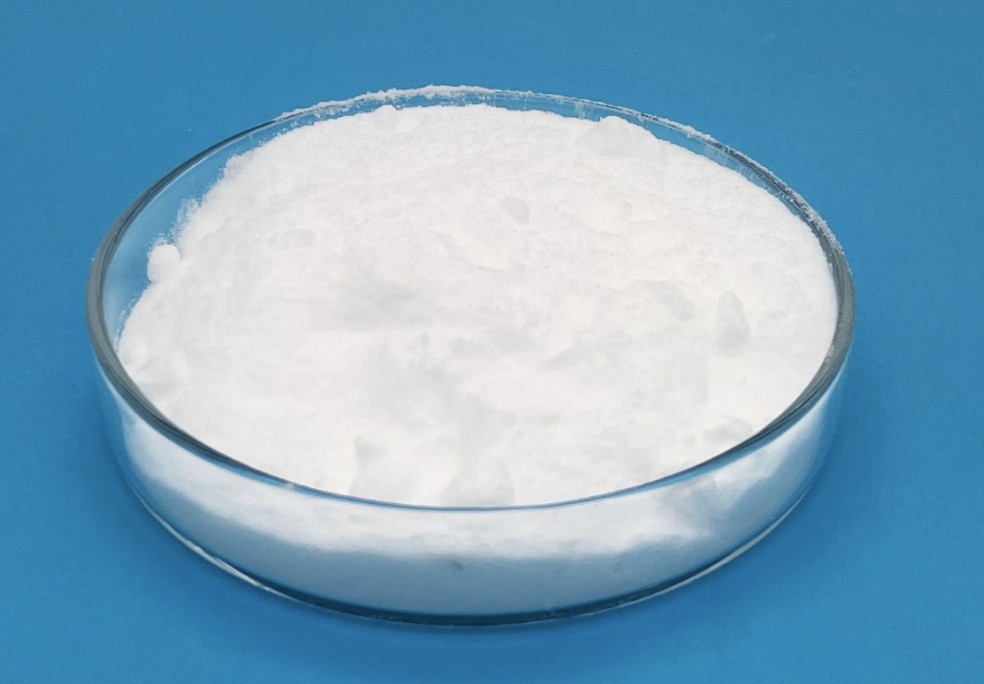
メピバカイン塩酸塩, 局所麻酔薬として使用される第三級アミン, 1-メチル-2'です, 6' - ピペコロキシリジド一塩酸塩.
化学的にはブピバカインに関連するが、薬理学的にはリドカインに関連する局所麻酔薬. 浸透用として示されています, 神経ブロック, そして硬膜外麻酔. メピバカインは局所的に大量に投与した場合にのみ効果があるため、この経路では使用しないでください。.
メピビカインはアミドタイプの局所麻酔薬です. メピビカインは、適度に急速な発現と中程度の持続時間として知られており、カルボカインおよびポロカインという独自の名前で知られています。. メピビカインは局所浸潤および局所麻酔に使用されます. 局所麻酔薬の全身吸収は心血管系および中枢神経系に影響を及ぼします。. 通常の治療用量で達成される血中濃度で, 心臓伝導の変化, 興奮性, 耐火性, 収縮性, 末梢血管抵抗は最小限です.
神経膜を安定させる塩酸ムピバカイン, 神経インパルスの発生と広がりを防ぐため, したがって局所麻酔.
塩酸メピバカインの急速な代謝, 麻酔薬のほんの一部だけ (5% に 10%) 尿中への排泄は変化しない. メタピンはアミド構造のため、循環血漿エステラーゼによって解毒されません。. 肝臓は代謝の主要な場所です, より多い 50% 代謝物として胆汁中に排泄される用量. 代謝されたメピバカインのほとんどは腸で吸収され、糞便中にはごく一部しか検出されないため、尿中に排泄される可能性があります。.
排泄の主な方法は腎臓です. ほとんどの麻酔薬とその代謝物は体内で除去されます。 30 時間. 解毒としての水酸化とN-脱メチル化が麻酔薬の代謝において重要な役割を果たすことが示されています。. メピバカインの 3 つの代謝物が成人から同定されている: 2 つのフェノールはほぼ完全にグルクロニド結合体として排泄されます, およびN-脱メチル化化合物 (2 & アポス;, 6 & アポス; 酸素).