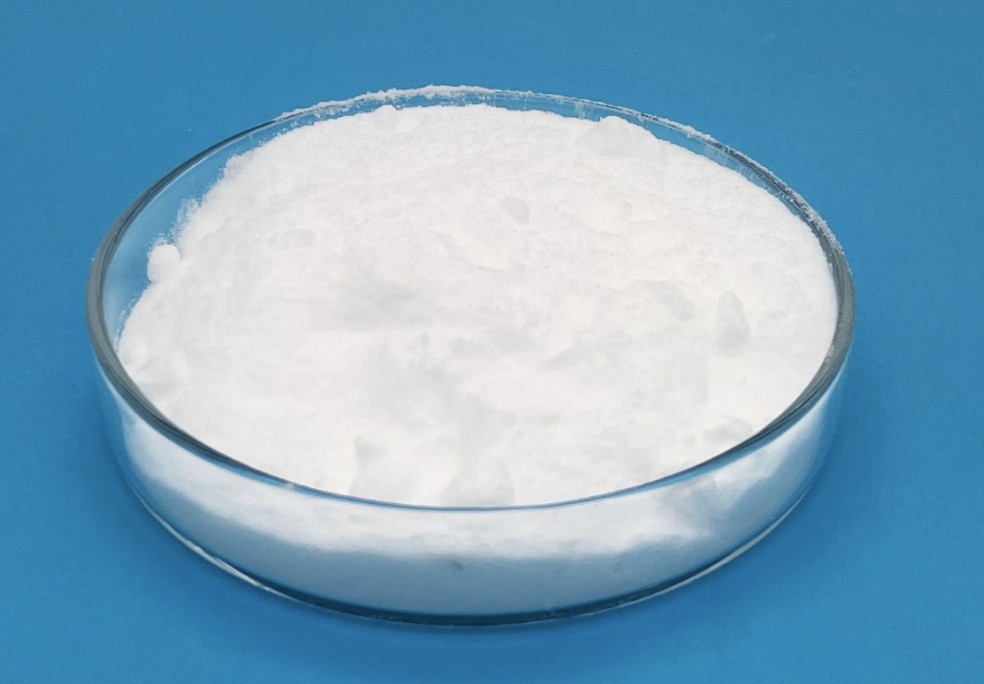
Mepivacaine Hydrochloride, a tertiary amine used as a local anesthetic, is 1-methyl-2', 6' - pipecoloxylidide monohydrochloride.
A local anesthetic that is chemically related to bupivacaine but pharmacologically related to lidocaine. It is indicated for infiltration, بلوک عصبی, and epidural anesthesia. Mepivacaine is effective topically only in large doses and therefore should not be used by this route.
مپیویکائین یک بی حس کننده موضعی از نوع آمید است. Mepivicaine به عنوان یک شروع نسبتاً سریع و مدت زمان متوسط است و با نام های اختصاصی Carbocaine و Polocaine شناخته می شود.. مپیویکائین در انفیلتراسیون موضعی و بی حسی موضعی استفاده می شود. جذب سیستمیک بی حس کننده های موضعی اثراتی بر سیستم قلبی عروقی و عصبی مرکزی دارد. در غلظت های خونی که با دوزهای درمانی طبیعی به دست می آید, تغییرات در هدایت قلبی, تحریک پذیری, نسوز, انقباض پذیری, و مقاومت عروق محیطی حداقل است.
Mupivacaine hydrochloride to stabilize the neuronal membrane, to prevent the occurrence and spread of nerve impulses, and thus local anesthesia.
The rapid metabolism of mepivacaine hydrochloride, only a small part of the anesthetic (5% به 10%) excretion in the urine unchanged. Methapine is not detoxified by circulating plasma esterase because of its amide structure. The liver is the main site of metabolism, more than 50% of the dose as a metabolite is excreted into the bile. Most metabolized mepivacaine may be absorbed in the intestine and then excreted into the urine because only a small fraction is found in the feces.
The main way to excrete is through the kidneys. Most anesthetics and their metabolites are eliminated within 30 ساعت. It has been shown that hydroxylation and N-demethylation as detoxification play an important role in the metabolism of anesthetics. Three metabolites of mepivacaine have been identified from adults: two phenols are almost completely excreted as glucuronide conjugates, and N-demethylated compounds (2 & apos;, 6 & apos; Oxygen).