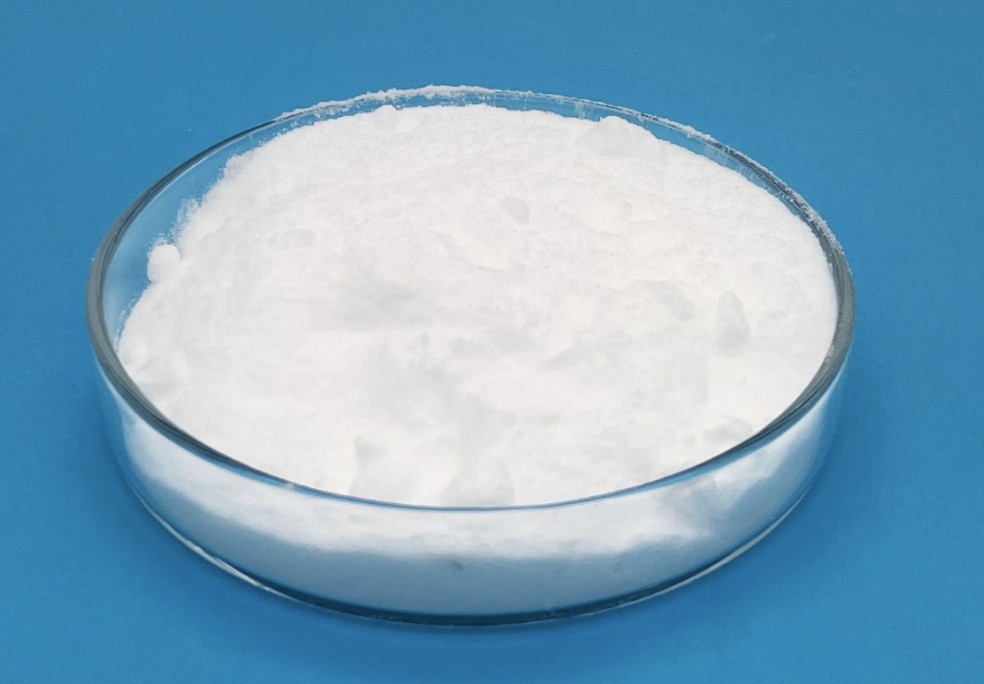
tetracaína
CAS NO.: 94-24-6
Pureza: 99%
Fórmula molecular: C15H24N2O2
Peso molecular: 264.3633
Descripción: polvo blanco
Especificación: USP
Usos: anestésico local
tetracaína (POSADA, también conocida como ametocaína; nombre comercial pontocaína. Ametop y Dicaína) Es un potente anestésico local del grupo éster.. Se utiliza principalmente de forma tópica en oftalmología y como antipruriginoso., y se ha utilizado en anestesia espinal.. Está en la Lista de Medicamentos Esenciales de la Organización Mundial de la Salud., una lista de los medicamentos más importantes necesarios en un sistema básico de salud.
(1) En la investigación biomédica, La tetracaína se utiliza para alterar la función de los canales de liberación de calcio. (receptores de rianodina) que controlan la liberación de calcio de las reservas intracelulares. La tetracaína es un bloqueador alostérico de la función del canal.. En bajas concentraciones, La tetracaína provoca una inhibición inicial de los eventos de liberación espontánea de calcio., mientras que en altas concentraciones, Los bloques de tetracaína se liberan completamente..
(2) La tetracaína es la T de Tac, una mezcla de 5 a 12 por ciento de tetracaína, 5METRO(por miríada), medio por mil (0.5‰), o .05 por ciento (1 parte en 2000) , y 4 o 10 Porcentaje de clorhidrato utilizado en el oído., nariz & cirugía de garganta y en el departamento de emergencias donde se necesita adormecer la superficie rápidamente, especialmente cuando los niños han resultado heridos en el ojo, oreja, u otros lugares sensibles.
(3) La tetracaína se sintetiza a partir del ácido 4-butilaminobenzoico.. El éster etílico se forma mediante una reacción de esterificación catalizada por ácido.. La transesterificación catalizada por bases se logra hirviendo el éster etílico del ácido 4-butilaminobenzoico con un exceso de 2-dimetilaminoetanol en presencia de una pequeña cantidad de etóxido de sodio..
Antes de usar tetracaína, primero se deben tomar barbitúricos. Se debe agregar una pequeña cantidad de adrenalina al anestésico para mejorar la contracción capilar., y disminuir la absorción del fármaco.
Deberías hacer una prueba antes de usar anestésico tópico.. Sólo sin reacción alérgica se puede utilizar la cantidad adecuada. En investigación biomédica, La tetracaína se utiliza para alterar la función de los canales de liberación de calcio. (receptores de rianodina) que controlan la liberación de calcio de las reservas intracelulares. La tetracaína es un bloqueador alostérico de la función del canal.. En bajas concentraciones, La tetracaína provoca una inhibición inicial de los eventos de liberación espontánea de calcio., mientras que en altas concentraciones, Los bloques de tetracaína se liberan por completo. Se utilizan para la anestesia epidérmica de la mucosa., anestesia del tejido nervioso, Anestesia epidural y anestesia del espacio subaracnoideo. En la fabricación de preparados farmacéuticos para uso externo., para aliviar el dolor de las drogas o lesiones por medicamentos dolor.
La tetracaína HCL se sintetiza a partir del ácido 4-butilaminobenzoico.. El éster etílico se forma mediante una reacción de esterificación catalizada por ácido.. La transesterificación catalizada por bases se logra hirviendo el éster etílico del ácido 4-butilaminobenzoico con un exceso de 2-dimetilaminoetanol en presencia de una pequeña cantidad de etóxido de sodio..
La tetracaína es la T de Tac, una mezcla de 5 a 12 por ciento de tetracaína, 5METRO(por miríada), medio por mil (0.5‰), o .05 por ciento (1 parte en 2000) , y 4 o 10 Porcentaje de clorhidrato utilizado en el oído.,nariz & cirugía de garganta y en el departamento de emergencias donde se necesita adormecer la superficie rápidamente, especialmente cuando los niños han resultado heridos en el ojo, oreja, u otros lugares sensibles.
| Artículos de prueba |
Especificación |
Resultados de la prueba |
| Apariencia |
Bien, blanco, cristalino, polvo inodoro |
confirmar |
| Identificación |
ABC en pase |
confirmar |
| Solubilidad |
Muy soluble en agua, soluble en alcohol;
insoluble en éter y benceno |
confirmar |
| Estándares de referencia USP |
ER Clorhidrato de Tetracaína USP
ER Endotoxina USP. |
confirmar |
| Punto de fusión |
145~150 grados |
146.0~147,5 grados |
| Pureza cromatográfica |
En pase |
confirmar |
| Sustancia relacionada |
No más que la solución de referencia. 0.05% |
confirmar |
| metales pesados |
≤10 ppm |
confirmar |
| PH |
4.5-6.5 |
5.8 |
| Residuo de ignición |
≤0,10% |
0.05% |
| Pérdida por secado |
≤ 0.5% |
0.19% |
| Ensayo |
98.0 -101.0% |
100.1% |