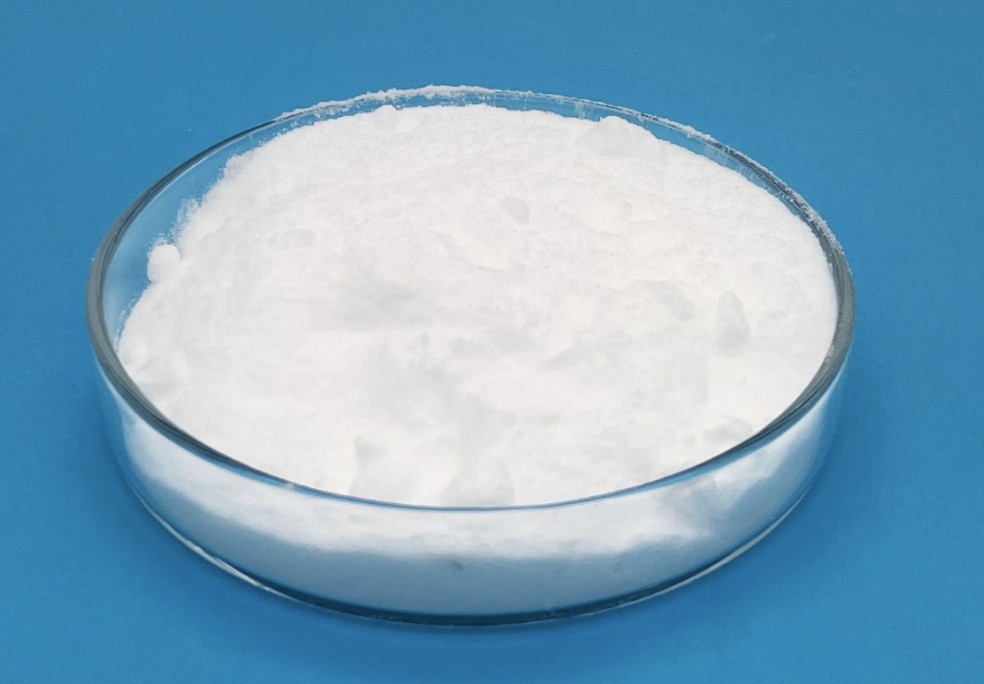
Tetracain
CAS-NR.: 94-24-6
Reinheit: 99%
Molekulare Formel: C15H24N2O2
Molekulargewicht: 264.3633
Beschreibung: weißes Pulver
Spezifikation: USP
Verwendungsmöglichkeiten: Lokalanästhetikum
Tetracain (GASTHOF, auch als Amethocain bekannt; Handelsname Pontocaine. Ametop und Dicain) ist ein starkes Lokalanästhetikum der Estergruppe. Es wird hauptsächlich topisch in der Augenheilkunde und als juckreizstillendes Mittel eingesetzt, und es wurde in der Spinalanästhesie eingesetzt. Es steht auf der Liste der unentbehrlichen Arzneimittel der Weltgesundheitsorganisation, eine Liste der wichtigsten Medikamente, die in einem Basisgesundheitssystem benötigt werden.
(1) In der biomedizinischen Forschung, Tetracain wird verwendet, um die Funktion von Kalziumfreisetzungskanälen zu verändern (Ryanodin-Rezeptoren) die die Freisetzung von Kalzium aus intrazellulären Speichern steuern. Tetracain ist ein allosterischer Blocker der Kanalfunktion. In geringen Konzentrationen, Tetracain bewirkt eine anfängliche Hemmung der spontanen Kalziumfreisetzung, bei hohen Konzentrationen, Tetracain blockiert die vollständige Freisetzung.
(2) Tetracain ist das T in Tac, eine Mischung aus 5 Zu 12 Prozent Tetracain, 5M(pro Unzahl), ein halbes Promille (0.5‰), oder .05 Prozent (1 teilhaben 2000) , Und 4 oder 10 Prozent Hydrochlorid im Ohr verwendet, Nase & Halschirurgie und in der Notaufnahme, wo eine schnelle Betäubung der Oberfläche erforderlich ist, insbesondere wenn Kinder am Auge verletzt wurden, Ohr, oder anderen sensiblen Orten.
(3) Tetracain wird aus 4-Butylaminobenzoesäure synthetisiert. Der Ethylester entsteht durch eine säurekatalysierte Veresterungsreaktion. Die basenkatalysierte Umesterung wird durch Kochen des Ethylesters der 4-Butylaminobenzoesäure mit überschüssigem 2-Dimethylaminoethanol in Gegenwart einer kleinen Menge Natriumethoxid erreicht.
Vor der Anwendung von Tetracain, Barbiturate sollten zuerst eingenommen werden. Dem Anästhetikum sollte eine kleine Menge Adrenalin zugesetzt werden, um die Kapillarkontraktion zu verbessern, und die Arzneimittelaufnahme verringern.
Bevor Sie ein topisches Anästhetikum anwenden, sollten Sie einen Versuch durchführen. Nur ohne allergische Reaktion kann eine angemessene Menge verwendet werden. In der biomedizinischen Forschung, Tetracain wird verwendet, um die Funktion von Kalziumfreisetzungskanälen zu verändern (Ryanodin-Rezeptoren) die die Freisetzung von Kalzium aus intrazellulären Speichern steuern. Tetracain ist ein allosterischer Blocker der Kanalfunktion. In geringen Konzentrationen, Tetracain bewirkt eine anfängliche Hemmung der spontanen Kalziumfreisetzung, bei hohen Konzentrationen, Tetracain blockiert die Freisetzung vollständig. Wird zur Anästhesie der Schleimhautepidermis verwendet, Anästhesie des Nervengewebes, Epiduralanästhesie und Subarachnoidalraumanästhesie. Bei der Herstellung von pharmazeutischen Präparaten zur äußerlichen Anwendung, zur Linderung von Schmerzen durch Medikamente oder Medikamentenläsionen.
Tetracain HCL wird aus 4-Butylaminobenzoesäure synthetisiert. Der Ethylester entsteht durch eine säurekatalysierte Veresterungsreaktion. Die basenkatalysierte Umesterung wird durch Kochen des Ethylesters der 4-Butylaminobenzoesäure mit überschüssigem 2-Dimethylaminoethanol in Gegenwart einer kleinen Menge Natriumethoxid erreicht.
Tetracain ist das T in Tac, eine Mischung aus 5 Zu 12 Prozent Tetracain, 5M(pro Unzahl), ein halbes Promille (0.5‰), oder .05 Prozent (1 teilhaben 2000) , Und 4 oder 10 Prozent Hydrochlorid im Ohr verwendet,Nase & Halschirurgie und in der Notaufnahme, wo eine schnelle Betäubung der Oberfläche erforderlich ist, insbesondere wenn Kinder am Auge verletzt wurden, Ohr, oder anderen sensiblen Orten.
| Testobjekte |
Spezifikation |
Testergebnisse |
| Aussehen |
Bußgeld, Weiß, kristallin, geruchloses Pulver |
bestätigen |
| Identifikation |
ABC im Pass |
bestätigen |
| Löslichkeit |
Sehr gut wasserlöslich, löslich in Alkohol;
unlöslich in Ether und Benzol |
bestätigen |
| USP-Referenzstandards |
USP Tetracainhydrochlorid RS
USP Endotoxin RS. |
bestätigen |
| Schmelzpunkt |
145~150 Grad |
146.0~147,5 Grad |
| Chromatographische Reinheit |
Im Pass |
bestätigen |
| Verwandte Substanz |
Nicht mehr als die Referenzlösung 0.05% |
bestätigen |
| Schwermetalle |
≤10 ppm |
bestätigen |
| PH |
4.5-6.5 |
5.8 |
| Rückstände beim Zünden |
≤0,10 % |
0.05% |
| Verlust beim Trocknen |
≤ 0.5% |
0.19% |
| Test |
98.0 -101.0% |
100.1% |