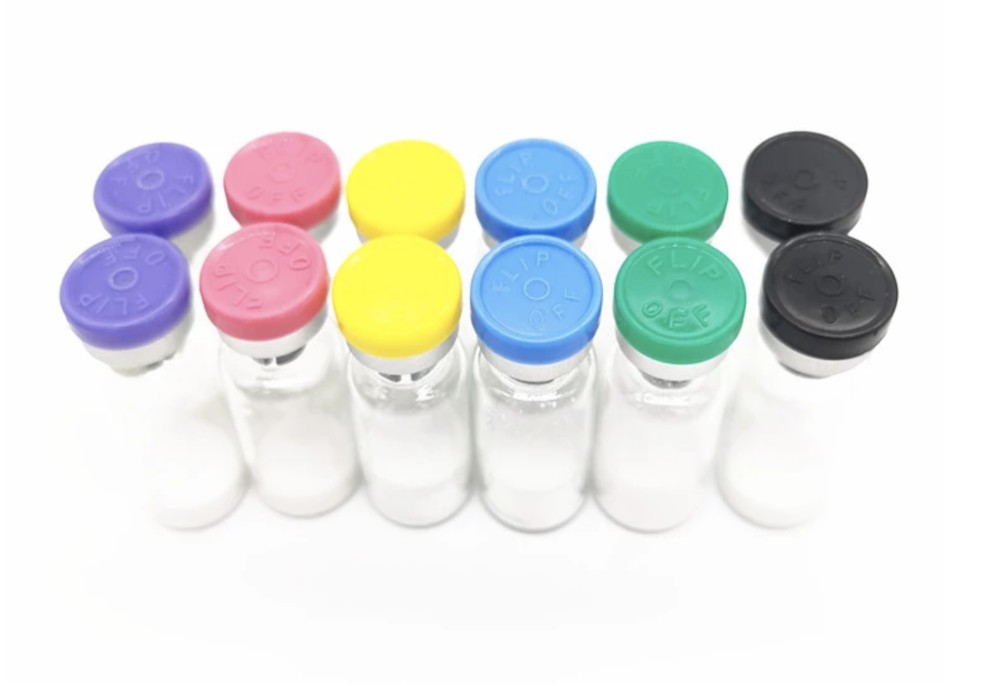
PRODUKTNAVN: NESIRITIDE
CAS NR.: 124584-08-3
EINECS: 1312995-182-4
MOLEKYLVEKT: 3464.073
FORMEL: C143H244N50O42S4
DENSITY:1.529
LAGRINGSTEMPERATUR:-20°C
LØSELIGHET:SOLUBLE IN WATER AT 1MG/ML
UTSEENDE:WHITE POWDER
PURITY: ≥98 %
Nesiritid, sold under the brand name Natrecor, er den rekombinante formen av 32 aminosyre humant B-type natriuretisk peptid, som normalt produseres av det ventrikulære myokardiet. Nesiritide works to facilitate cardiovascular fluid homeostasis through counterregulation of the renin–angiotensin–aldosterone system, stimulerer syklisk guanosinmonofosfat, fører til avslapning av glatte muskelceller.
Nesiritide was believed initially to be beneficial for acute decompensated congestive heart failure. Den fikk godkjenning fra USAs Food and Drug Administration for dette formålet i 2001 etter første manglende godkjenning. I juli 2011, the results of the largest study so far for nesiritide was published in The New England Journal of Medicine. The study failed to show a difference between nesiritide and placebo on mortality or re-hospitalizations.
Nesiritide is a medication used to treat acutely decompensated congestive heart failure with dyspnea at rest or with minimal exertion (som snakk, spise eller bade). Nesiritide er en 32 aminosyrerekombinant humant B-type natriuretisk peptid.
Human BNP binder seg til den partikkelformede guanylatcyklasereseptoren i vaskulære glatte muskler og endotelceller, fører til økte intracellulære konsentrasjoner av guanosin 3'5'-syklisk monofosfat (cGMP) og avslapning av glatte muskelceller. Syklisk GMP fungerer som en andre budbringer for å utvide årer og arterier. Nesiritide har vist seg å slappe av isolerte humane arterielle og venøse vevspreparater som var forhåndskontraktert med enten endotelin-1 eller den alfa-adrenerge agonisten, fenylefrin. I menneskelige studier, nesiritid ga doseavhengige reduksjoner i pulmonært kapillærkiletrykk (PCWP) og systemisk arterielt trykk hos pasienter med hjertesvikt. Hos dyr, nesiritid hadde ingen effekter på hjertets kontraktilitet eller på målinger av hjerteelektrofysiologi som atriell og ventrikulær effektiv refraktærtid eller atrioventrikulær nodeledning. Naturlig forekommende atrielt natriuretisk peptid (ANP), et beslektet peptid, øker vaskulær permeabilitet hos dyr og mennesker og kan redusere intravaskulært volum. Effekten av nesiritid på vaskulær permeabilitet er ikke studert.