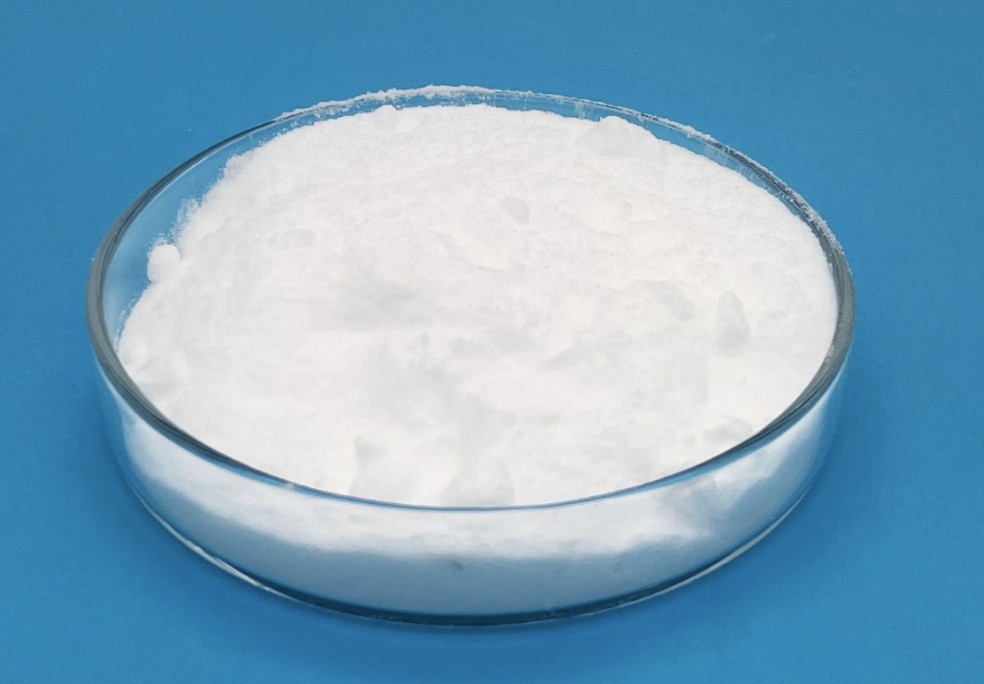
Bupivakain yalnızca bu ilacı kullanmış veya almış kişilerde bulunur.. Yaygın olarak kullanılan bir lokal anestezik ajandır.. [PubChem]Bupivakain sinir uyarılarının oluşumunu ve iletimini bloke eder, muhtemelen sinirdeki elektriksel uyarılma eşiğini artırarak, sinir impulsunun yayılmasını yavaşlatarak, ve aksiyon potansiyelinin artış hızını azaltarak. Bupivakain, sodyum kanallarının hücre içi kısmına bağlanarak sinir hücrelerine sodyum akışını bloke eder., depolarizasyonu önleyen. Genel olarak, anestezinin ilerlemesi çapla ilgilidir, Etkilenen sinir liflerinin miyelinasyonu ve iletim hızı. Klinik olarak, sinir fonksiyon kaybının sırası aşağıdaki gibidir: ağrı, sıcaklık, dokunmak, iç algı, ve iskelet kası tonusu. Bupivicaine'in analjezik etkilerinin potansiyel olarak prostaglandin E2 reseptörlerine bağlanmasından kaynaklandığı düşünülmektedir., alt tip EP1 (PGE2EP1), prostaglandin üretimini engelleyen, böylece ateşi azaltır, iltihaplanma, ve hiperaljezi.
Bupivakain lokal infiltrasyon için endikedir, periferik sinir bloğu, sempatik sinir bloğu, ve epidural ve kaudal bloklar. Bazen sistemik emilimi önlemek ve etki süresini uzatmak için epinefrin ile kombinasyon halinde kullanılır.. The 0.75% (en konsantre) Retrobulber blokta formülasyon kullanılır. Doğum sırasında epidural anestezide en sık kullanılan lokal anesteziktir., postoperatif ağrı tedavisinde olduğu gibi. Buipivakainin lipozomal formülasyonları bupivakainin düz solüsyonlarından daha etkili değildir..
Bupivakain, bupivakain veya amino-amid anesteziklerine karşı bilinen aşırı duyarlılık reaksiyonları olan hastalarda kontrendikedir.. Obstetrik paraservikal bloklarda ve intravenöz bölgesel anestezide de kontrendikedir. (Bier bloğu) potansiyel turnike başarısızlığı ve ilacın sistemik emilimi ve ardından kalp durması riski nedeniyle. The 0.75% Dirençli kalp durmasıyla ilişkisi nedeniyle doğum sırasında epidural anestezide formülasyon kontrendikedir.